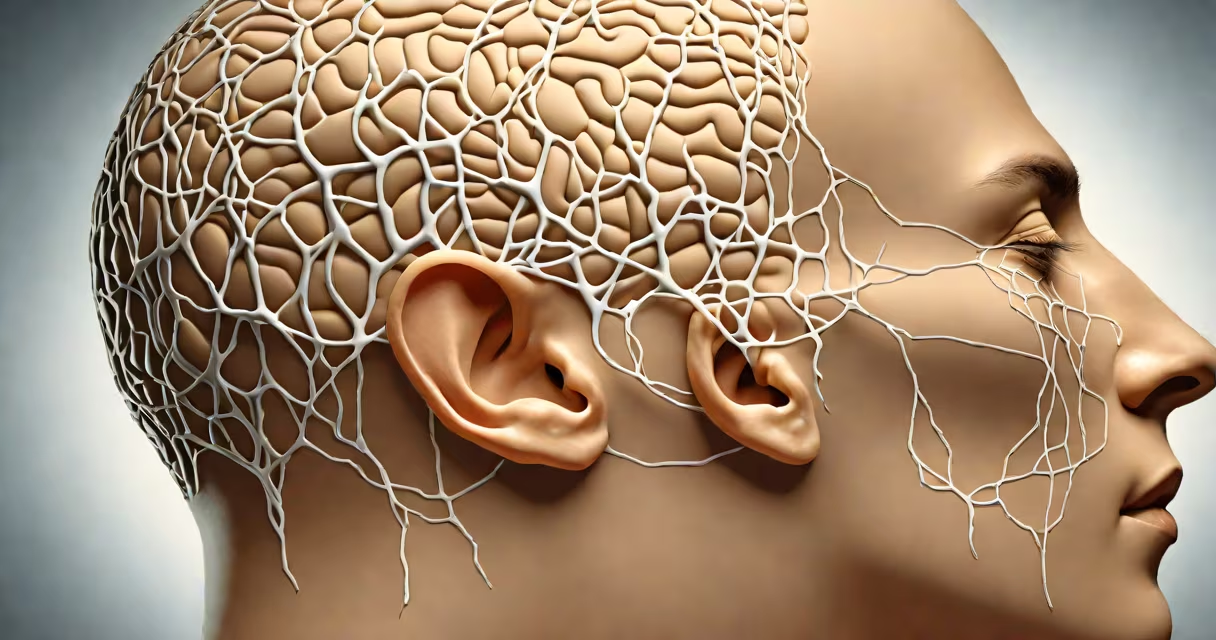
Tingling in your head typically describes a prickling, numbness, or pins-and-needles sensation caused by nerve irritation, blood flow changes, or underlying medical conditions. While often harmless, persistent or severe cases warrant medical attention.
Tingling sensations occur when nerves misfire or are compressed. The trigeminal nerve, which controls facial sensations, often plays a role. Blood vessels constricting or expanding can also trigger tingling, as can muscle tension or stress.
The most common causes include:
Consult a healthcare provider if tingling persists for days, worsens, or occurs with other symptoms like weakness, vision changes, or confusion. These could indicate serious conditions like stroke or brain tumors.
Many people assume tingling in the head is always a sign of a severe issue. However, temporary tingling from stress or poor posture is usually harmless. That said, dismissing persistent or severe symptoms can be dangerous. A study published in the journal Neurology found that 15% of patients with unexplained tingling had underlying neurological conditions.
Another misconception is that tingling only affects the scalp. It can also occur inside the head, near the ears, or around the temples. For example, a patient I once assisted reported tingling near their left temple during migraines-a symptom their doctor linked to trigeminal nerve involvement.
Tingling in the head is sometimes confused with similar sensations in the legs (tingling legs), which can stem from diabetes or spinal issues. Unlike leg tingling, head tingling rarely results from prolonged sitting or standing.