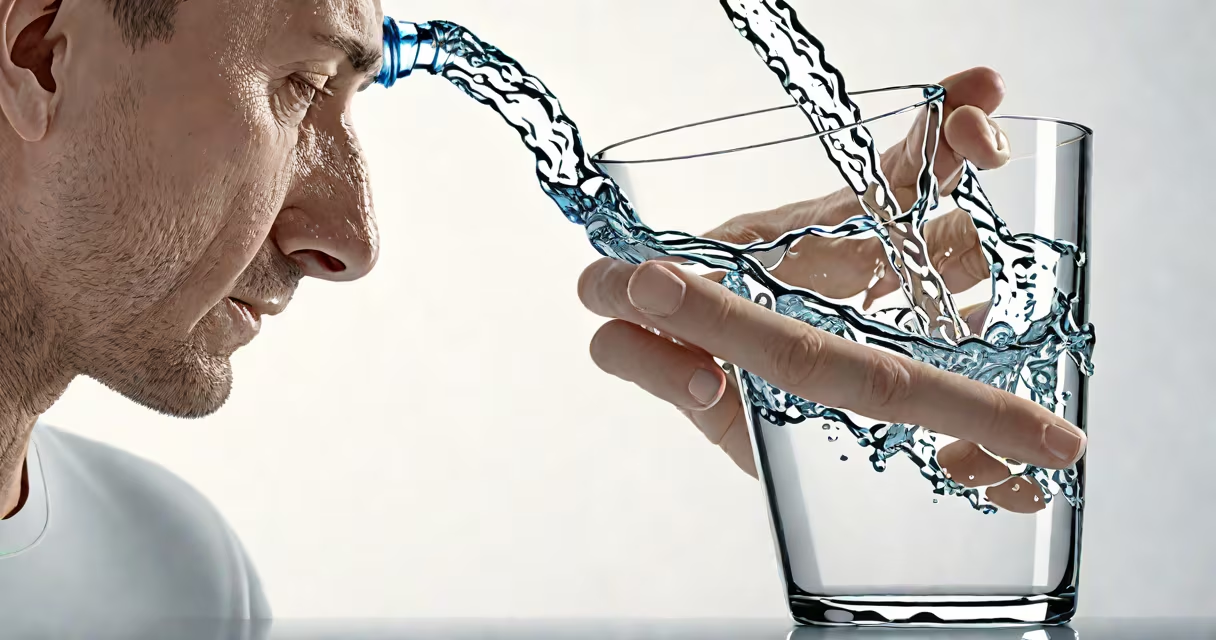
Dehydration occurs when your body loses more fluids than it takes in, disrupting normal functions. Symptoms range -threatening, depending on fluid loss severity.
Your body constantly loses water through urine, sweat, and breathing. When you don't replenish enough fluids, blood volume drops, reducing oxygen and nutrient delivery to cells. The kidneys also struggle to filter waste, compounding the problem.
Even mild dehydration (losing 1-2% of body weight in fluids) impairs physical performance and cognitive function. A 2019 study in Frontiers in Nutrition found that just 1.6% dehydration reduced concentration and working memory.
| Type | Cause | Common in |
|---|---|---|
| Isotonic | Equal fluid and electrolyte loss | Endurance athletes |
| Hypertonic | More fluid than electrolyte loss | Diarrhea patients |
| Hypotonic | More electrolyte than fluid loss | Kidney disease patients |
Dehydration is most common in hot climates, during intense exercise, or with illnesses causing vomiting/diarrhea. Alcohol and caffeine worsen it by increasing urine output. The elderly and infants are especially vulnerable due to lower fluid reserves.
My firsthand experience came while hiking in Arizona. Despite drinking water, I ignored early thirst signals until I developed headaches and dizziness. Recovery required rest and electrolytes-not just water.
Many assume thirst is the first sign of dehydration. In reality, thirst appears after you're already dehydrated. Clear urine is a better indicator of hydration status.
Another myth is that drinking excessive water alone fixes dehydration. Pure water dilutes electrolytes further in severe cases, requiring oral rehydration solutions (ORS) with sodium and glucose.
For mild dehydration, drink small amounts of water frequently. ORS or sports drinks help replace lost electrolytes. Severe cases may require IV fluids in a hospital setting.
Prevention focuses on proactive hydration. The U.S. National Academies recommend 3.7 liters daily for men and 2.7 liters for women, including fluids from food. Athletes should weigh themselves before/after workouts to monitor losses.
If dehydration occurs alongside symptoms like fever or bloody diarrhea, seek medical attention immediately. Untreated severe dehydration can lead to kidney failure, seizures, or coma.