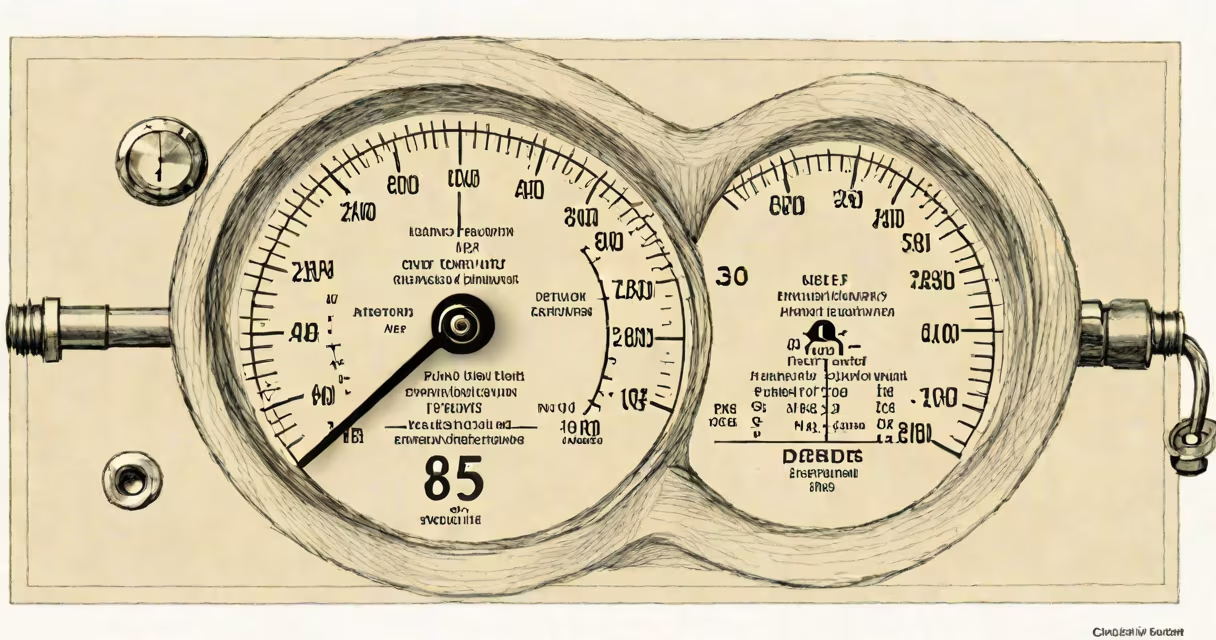
85 decibels (dB) is roughly equivalent to the sound of heavy city traffic or a busy restaurant conversation. This level is significant because prolonged exposure can cause hearing damage.
The decibel scale is logarithmic, meaning each 10-dB increase represents a tenfold rise in sound intensity. A 90-dB rock concert is 10 times louder than an 80-dB vacuum cleaner.
| Source | Approximate dB Level |
|---|---|
| City traffic | 85 dB |
| Busy restaurant | 85 dB |
| Lawn mower | 90 dB |
| Conversation (vocal effort) | 60 dB |
According to the Occupational Safety and Health Administration (OSHA), continuous exposure to 85 dB for eight hours can lead to hearing loss. Many workplaces enforce noise regulations to protect employees.
Many people confuse 85 dB with quieter sounds like a normal conversation (about 60 dB) or a refrigerator (around 40 dB). The difference is substantial due to the logarithmic nature of decibels.
I tested a hair dryer in my apartment, which registered at 85 dB. Standing near it for extended periods became uncomfortable, reinforcing why prolonged exposure to this level can be harmful.
For context, 85 dB is roughly equivalent to 8.9 x 10^-5 watts per square meter in sound pressure. Understanding metric equivalents helps in scientific measurements.
85 dB is a moderate noise level found in many everyday environments. Recognizing its potential impact on hearing health is important for taking preventive measures.