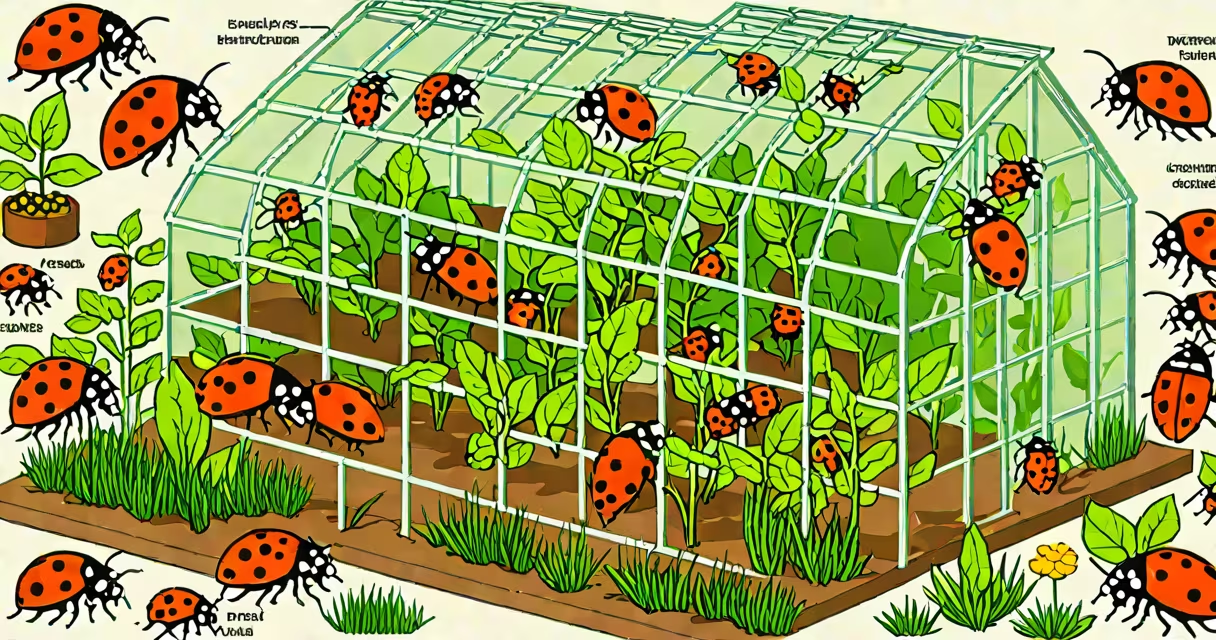
A biological pesticide is a pest-control method that uses living organisms-like bacteria, fungi, or insects-to target and eliminate pests. Unlike chemical pesticides, these solutions work with nature rather than against it.
Biological pesticides rely on natural predators, parasites, or pathogens to disrupt pest life cycles. For example, the bacterium Bacillus thuringiensis (Bt) produces toxins that specifically kill caterpillars but are harmless to other creatures. When sprayed on plants, Bt targets only the pests while leaving beneficial insects unharmed.
These pest-control methods fall into four broad categories:
Farmers, gardeners, and landscapers use biological pesticides to reduce reliance on synthetic chemicals. Organic farms often mandate their use to meet certification standards. Home gardeners also prefer them for safety around children and pets. A study by the U.S. Environmental Protection Agency (EPA) found that biological pesticides degrade quickly, minimizing environmental contamination.
However, they require careful timing and application. For instance, releasing ladybugs to control aphids works best in the evening when temperatures are cooler, as this encourages them to stay and reproduce rather than fly away.
Many assume biological pesticides are always safer than chemical ones, but some can still pose risks. The fungus Metarhizium anisopliae, for example, can harm bees if misused. Proper application guidelines are critical.
Another myth is that biological pesticides work instantly. Unlike chemical sprays, which kill pests on contact, biological solutions often take days or weeks to show results as populations build up.
In Florida, citrus growers combat the devastating Huanglongbing (HLB) disease by releasing Tetrastichus radiata, a tiny wasp that parasitizes the Asian citrus psyllid-the insect that spreads HLB. This approach has helped slow the disease's spread without harming pollinators or beneficial insects.
I've seen this in action at a local organic farm, where workers release thousands of these wasps weekly. The results aren't immediate, but over time, the psyllid populations drop, reducing disease transmission.
| Factor | Biological Pesticide | Chemical Pesticide |
|---|---|---|
| Speed of Action | Slow (days to weeks) | Fast (minutes to hours) |
| Target Specificity | High (affects specific pests) | Low (can harm beneficial species) |
| Environmental Impact | Low (biodegradable) | High (persistent residues) |
| Cost | Moderate to high (requires expertise) | Low to moderate (widely available) |
Biological pesticides often require precise conditions to work effectively. Factors like temperature, humidity, and the presence of competing species can affect their success., some pests develop resistance over time, just as they do with chemical pesticides.
Storage and handling also play a role. Live nematodes, for example, must be kept refrigerated until use, adding logistical complexity for farmers.
Biological pesticides offer a sustainable way to manage pests while protecting ecosystems. While they require more planning and patience than chemical alternatives, their long-term benefits make them a valuable tool in modern agriculture and gardening.