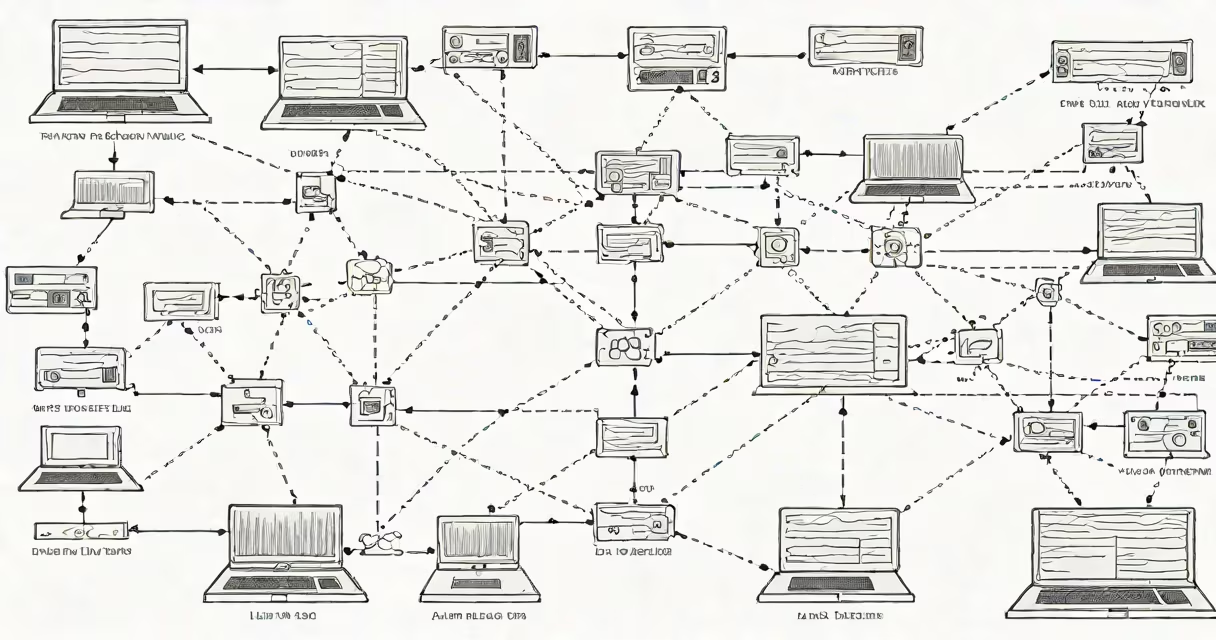
A load balancer is a device or software that distributes incoming network traffic across multiple servers to ensure no single server bears too much demand. This improves application responsiveness, availability, and scalability.
Load balancers act as the "traffic cop" sitting between client devices and backend servers. When a request comes in, the load balancer selects a server to fulfill the request based on its algorithm. Common algorithms include round robin, least connections, and IP hash.
For example, if a website receives 1,000 requests per second, the load balancer might distribute these requests evenly across 10 servers, sending 100 requests per second to each server. This helps no single server is overwhelmed.
| Type | Description | Use Case |
|---|---|---|
| Hardware Load Balancers | Physical devices dedicated to load balancing | Large enterprises with high traffic volumes |
| Software Load Balancers | Applications running on standard hardware or virtual machines | Cloud environments and smaller businesses |
| Cloud Load Balancers | Services offered by cloud providers like AWS, Azure, and Google Cloud | Cloud-based applications and services |
Load balancers are essential in various scenarios, including:
For instance, popular websites like Amazon and Netflix use load balancers to handle millions of concurrent users without performance degradation.
Many people confuse load balancers with reverse proxies. While both forward client requests to backend servers, load balancers specifically distribute traffic to balance the load, whereas reverse proxies primarily provide additional functionalities like caching, authentication, and SSL termination.
Another misconception is that load balancers only work with web servers. In reality, they can distribute traffic across various types of servers, including database servers, application servers, and even storage systems.
I once configured an F5 load balancer for a client's e-commerce platform. The setup improved the site's uptime and response times during peak shopping seasons, demonstrating the practical benefits of load balancing.
Understanding what a load balancer is and how it functions is important for maintaining efficient and reliable network operations. a large-scale cloud application, a load balancer ensures optimal performance and availability.