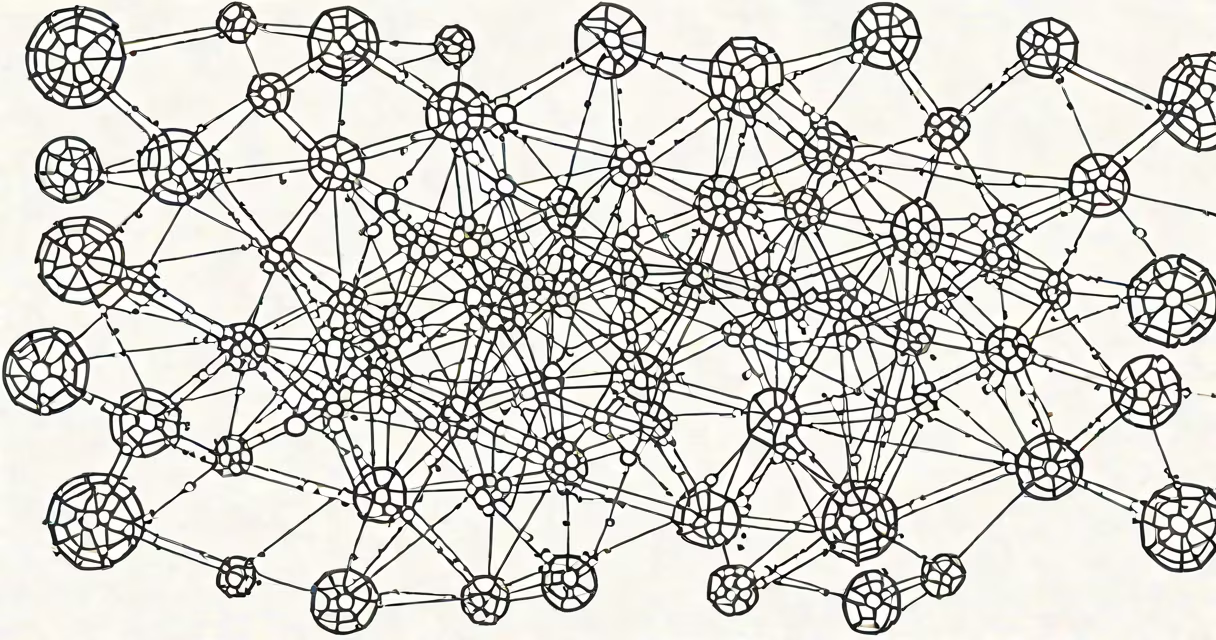
A mesh node is a device that connects to other nodes to form a decentralized network, relaying data to improve coverage and reliability. These nodes work together to route traffic efficiently, often used in wireless networks to extend connectivity over large areas.
Mesh nodes operate by creating a changing network where each node acts as both a transmitter and receiver. When a message is sent, it travels through multiple nodes, hopping until it reaches its destination. This multi-hop routing helps even if one node fails, the network can reroute traffic through alternative paths.
For example, in a home Wi-Fi system using mesh nodes, your router (the primary node) connects to satellite nodes placed around the house. Devices connect to the nearest node, which then relays data back to the router. This setup eliminates dead zones and maintains strong signals throughout the area.
Mesh nodes come in different forms, depending on their purpose and environment:
| Type | Use Case | Example |
|---|---|---|
| Wireless Mesh Nodes | Extending Wi-Fi coverage | Google Nest Wi-Fi, Amazon Eero |
| Mobile Mesh Nodes | Emergency communication | GoTenna, BATON |
| Sensor Mesh Nodes | IoT monitoring | Zigbee sensors, LoRaWAN devices |
In rural or disaster-prone areas, mobile mesh networks enable communication when traditional infrastructure is unavailable. These networks are often deployed by emergency responders to coordinate relief efforts. For example, during Hurricane Katrina, mesh networks helped maintain communication when cellular towers were damaged.
One common misconception is that mesh networks are slower than traditional networks due to the extra hops data must take. However, modern mesh systems use intelligent routing algorithms to minimize latency. For instance, Google Nest Wi-Fi dynamically adjusts connections to ensure the fastest path for data.
Another myth is that mesh networks are only useful for Wi-Fi. While they are popular for home and office Wi-Fi systems, mesh networks also support other types of data, including sensor readings and video streams. In industrial settings, mesh nodes monitor equipment health and send alerts if issues arise.
I once set up a mesh network in a large warehouse to monitor temperature and humidity levels. The system used sensor nodes placed throughout the space, sending data back to a central hub. This setup allowed real-time monitoring and improved efficiency in managing inventory sensitive to environmental conditions.