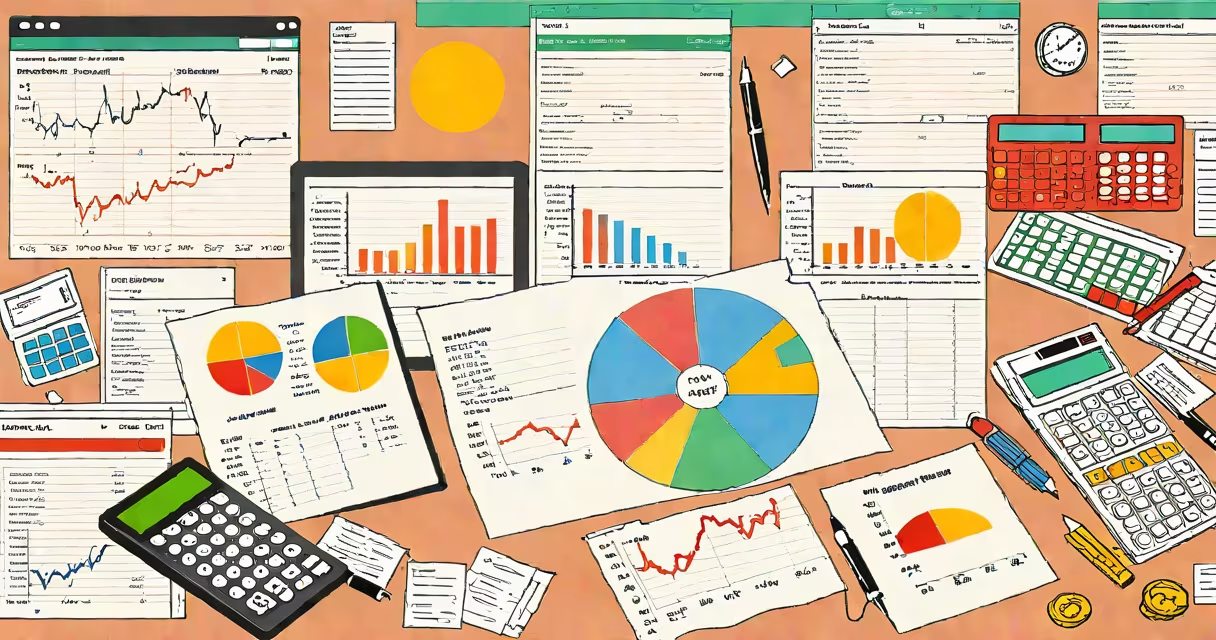
Cash flow analysis is the process of tracking, analyzing, and managing the movement of money into and out of a business. It helps assess liquidity, financial health, and future cash positions.
Businesses record all cash inflows (money received) and outflows (money spent) over a specific period. The difference between these amounts determines the net cash flow. Positive cash flow means more money is coming in than going out, while negative cash flow indicates the opposite.
For example, a retail store might track daily sales (inflows) and daily expenses like rent and inventory purchases (outflows). At the end of the month, the store calculates its net cash flow by subtracting total outflows from total inflows.
Cash flows are categorized into three types:
| Type | Description | Example |
|---|---|---|
| Operating Activities | Cash generated from core business operations | Sales revenue, salaries paid |
| Investing Activities | Cash used for or generated from investments | Purchase of equipment, sale of stocks |
| Financing Activities | Cash from borrowing, lending, or equity | Loan proceeds, dividend payments |
Businesses use cash flow analysis to ensure they have enough liquidity to cover short-term obligations, plan for future investments, and assess financial health. It's often confused with profit analysis, but while profit measures income minus expenses, cash flow tracks actual cash movements.
Consider a small consulting firm with $50,000 in monthly revenue and $30,000 in monthly expenses. While it appears profitable, if clients pay invoices in 60 days, the firm might struggle with immediate cash needs. By analyzing cash flow, the firm can adjust payment terms or secure a line of credit to improve liquidity.
I once worked with a client who had strong sales but frequent cash shortages. After conducting a cash flow analysis, we identified delays in receiving payments from clients. By implementing stricter payment terms and encouraging early payments, the company improved its cash flow and reduced financial stress.
Many people confuse cash flow with revenue or profit. Revenue is the total income from sales, while profit is revenue minus expenses. Cash flow, however, tracks the actual cash moving in and out of the business, which can differ from revenue or profit due to timing differences.