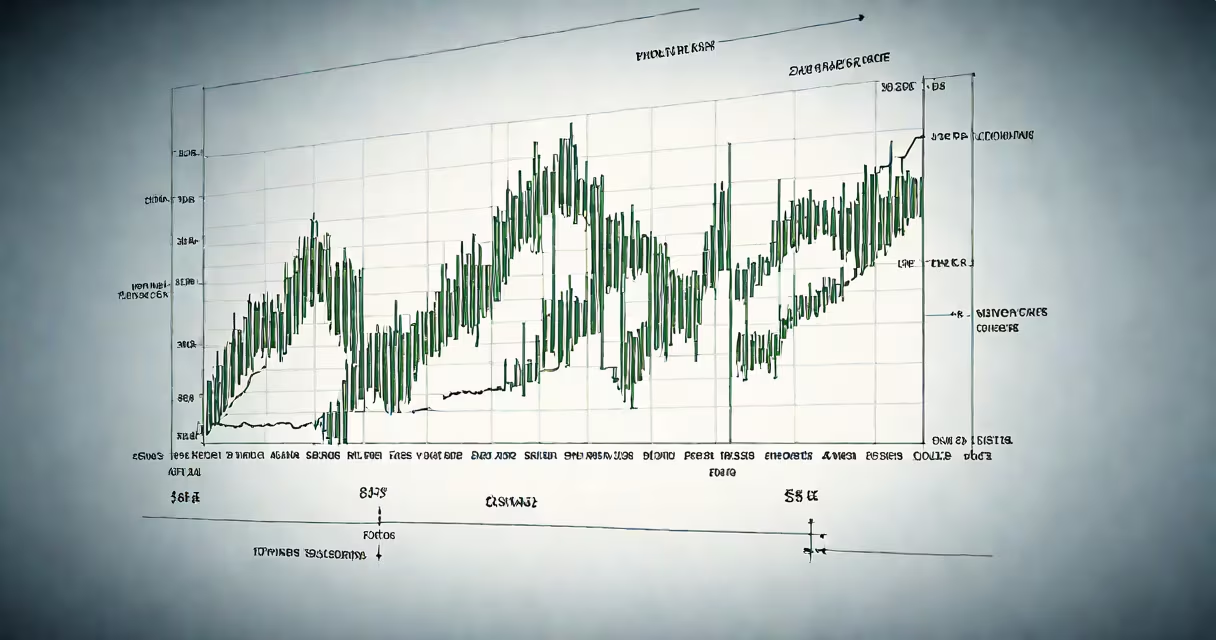
Positional trading is a strategy where traders hold assets for weeks or months to capitalize on medium-term price trends. Unlike day traders who close positions within hours, positional traders aim to capture larger market moves while avoiding the volatility of short-term trading.
Positional traders analyze both fundamental factors (like earnings reports) and technical indicators (such as moving averages) to identify potential trends. They enter trades when they spot favorable conditions and exit when the trend weakens or reverses.
For example, a trader might buy a stock when it breaks above its 50-day moving average and hold it until it falls below its 200-day moving average. This approach balances the patience of long-term investing with the active management of short-term trading.
| Strategy | Description | Time Horizon |
|---|---|---|
| Trend-following | Buying when price moves above a key level and selling when it drops below | Weeks to months |
| Swing trading | Capturing smaller price swings within a larger trend | Days to weeks |
| Breakout trading | Entering trades when price breaks through a resistance level | Weeks to months |
Positional trading differs from day trading in its time horizon and frequency of trades. Day traders execute multiple trades daily, while positional traders may hold just a few positions at a time. It also differs from long-term investing because positional traders actively manage their positions rather than holding indefinitely.
One common misconception is that positional trading is the same as swing trading. While both strategies hold positions longer than day trading, swing trading typically focuses on shorter time frames (days to weeks) compared to positional trading (weeks to months).
Traders often use positional strategies when they expect a clear trend but want to avoid the high frequency and stress of day trading. For example, during a bull market, a trader might use a trend-following strategy to ride the upward momentum. Positional trading is also popular among traders who have full-time jobs and can't monitor the markets constantly.
According to the Investopedia Guide to Trading Strategies, positional trading is ideal for those who prefer a balanced approach between active trading and passive investing.
In early 2023, a trader notices that Tesla's stock has been consolidating between $150 and $180 for several weeks. The trader waits for the stock to break above $180, which happens in March. They buy shares and hold them as the stock rises to $220 in April. When the stock starts falling below its 20-day moving average in May, the trader sells, locking in a profit of about 22%. This is a classic example of a positional trade using a breakout strategy combined with a moving average exit.
Many traders make the mistake of holding positions too long, hoping for a rebound that never comes. Others exit too early, missing out on further gains. To avoid these pitfalls, traders should set clear entry and exit points based on technical analysis and stick to them.
Another mistake is not using stop-loss orders. A stop-loss can help limit losses if the trade moves against the trader. For example, if a trader buys a stock at $50, they might set a stop-loss at $45 to limit potential losses.
Unlike day trading, positional trading requires patience and discipline. Traders must wait for the right conditions to enter and exit trades, which can take days or even weeks. This can be challenging for those used to the fast pace of day trading. However, the rewards can be significant for those who master the strategy.
I once tried positional trading with a stock that had been rising steadily for weeks. I held onto it, waiting for it to reach my target price. It took longer than expected, but when it finally hit the target, the profit was worth the wait. This experience taught me the importance of patience in positional trading.
While both strategies involve holding assets for extended periods, positional trading is more active. Investors typically hold stocks for years, focusing on fundamentals like earnings growth. Positional traders, however, actively manage their positions, using both technical and fundamental analysis to make decisions. They may hold a stock for weeks or months but will sell if the trend reverses or their analysis changes.
Positional trading offers a middle ground between the high-frequency action of day trading and the long-term hold of investing. By understanding how it works, the different strategies available, and the common mistakes to avoid, traders can effectively use positional trading to capture medium-term market trends. an experienced trader, positional trading can be a valuable addition to your trading toolkit.