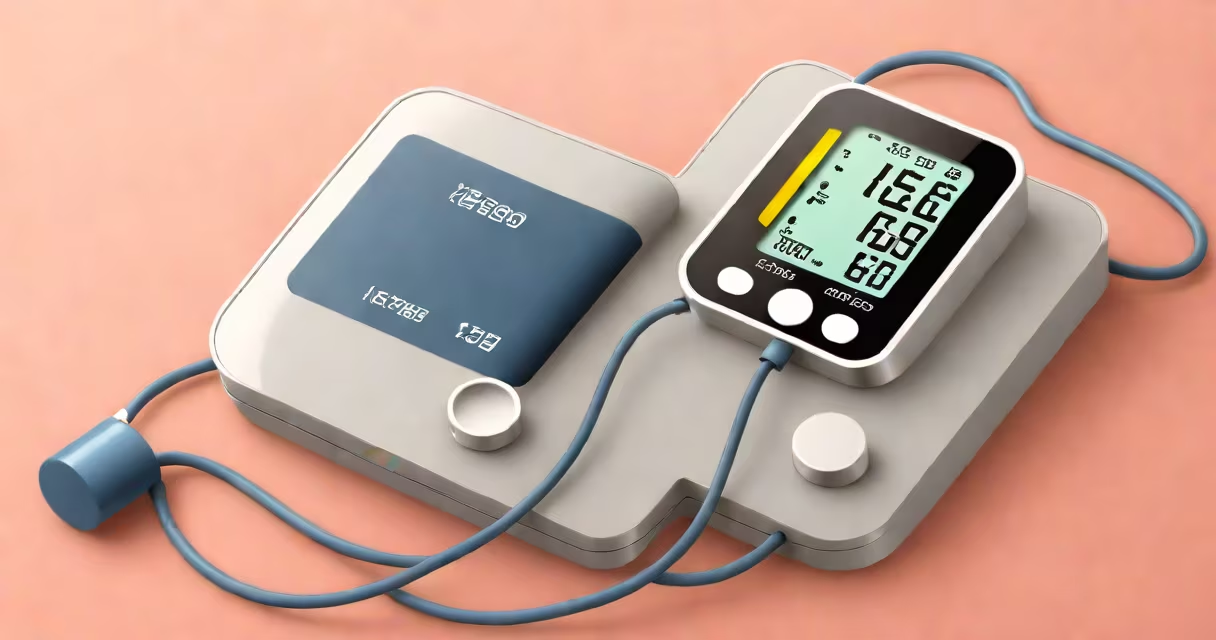
The perfect blood pressure for most healthy adults is less than 120/80 mmHg. This measurement represents systolic (pressure when the heart beats) and diastolic (pressure between beats) values.
Blood pressure measures the force of blood against artery walls. It fluctuates naturally throughout the day based on activity, stress, and sleep. The American Heart Association notes that even small changes in blood pressure can affect long-term health risks.
| Category | Systolic (mmHg) | Diastolic (mmHg) |
|---|---|---|
| Normal | <120 | <80 |
| Elevated | 120-129 | <80 |
| Stage 1 Hypertension | 130-139 | 80-89 |
| Stage 2 Hypertension | >140 | >90 |
| Hypertensive Crisis | >180 | >120 |
Consistently high blood pressure damages arteries and organs over time. The Mayo Clinic reports that unmanaged hypertension can lead to heart attack, stroke, or kidney disease. Conversely, blood pressure below 90/60 mmHg may indicate hypotension, which can cause dizziness or fainting.
Most people don't feel symptoms when their blood pressure is too high or too low. Regular monitoring is the only way to detect these silent conditions early.
Many believe only older adults need to monitor blood pressure. However, the CDC states that hypertension affects about 7% of children and adolescents. Another myth is that occasional high readings mean you have hypertension - actually, diagnosis requires consistent measurements over time.
I learned this firsthand when my otherwise healthy 12-year-old nephew had elevated readings during a routine checkup. His pediatrician recommended monitoring and lifestyle adjustments rather than immediate medication.
Ideal blood pressure ranges may differ for specific populations. Athletes often have lower resting blood pressures due to their conditioning. Pregnant women may experience temporary fluctuations. Certain medications like clonidine can also affect readings.
For accurate results, measure blood pressure after resting for 5 minutes in a quiet environment. Avoid caffeine, exercise, or tobacco for 30 minutes beforehand. Use the same arm and position for consistent comparisons.
While 120/80 mmHg represents ideal blood pressure for most adults, individual targets may vary based on age, health conditions, and doctor recommendations. Always consult healthcare professionals for personalized advice about your specific blood pressure numbers and what they mean.