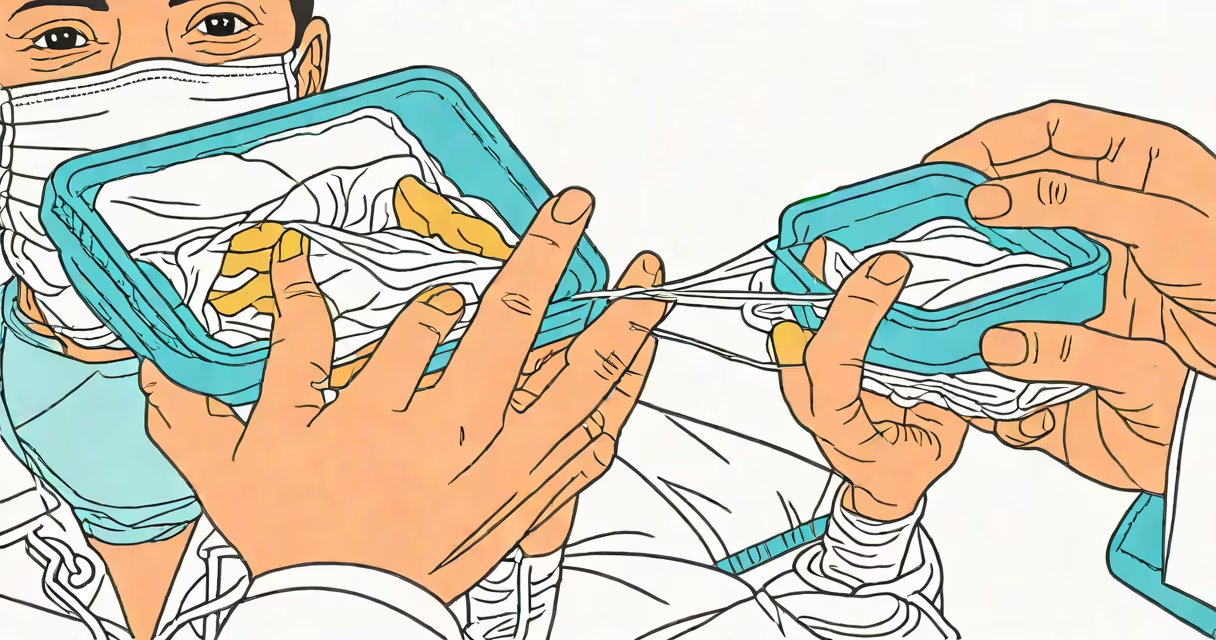
Tissue donation is the process of recovering and transplanting human tissues to restore function and improve quality of life. Unlike organ donation, which focuses on important organs like hearts or kidneys, tissue donation involves non-important tissues such as skin, bones, tendons, and heart valves.
After a person passes away, their tissues can be recovered within a specific timeframe, typically within 24 hours. The recovered tissues undergo rigorous processing to ensure safety and viability. They are then stored until needed for transplantation.
| Tissue Type | Common Uses |
|---|---|
| Skin | Used for burn victims and wound healing |
| Bones | Used in orthopedic surgeries to repair damaged bones |
| Tendons | Used in reconstructive surgeries |
| Heart Valves | Used in cardiac surgeries to replace damaged valves |
Donated tissues are used in various medical procedures worldwide. For instance, skin grafts help burn victims recover faster, while bone transplants aid in repairing fractures or defects. Heart valve transplants improve heart function in patients with valve diseases.
According to the American Association of Tissue Banks, over 1.5 million tissue transplants occur annually in the U.S. alone. These transplants improve patients' quality of life and, in many cases, save lives.
Many people confuse tissue donation with organ donation. While both involve donating parts of the body, organ donation typically occurs while the donor is still alive or immediately after death, whereas tissue donation usually happens after death and involves non-important tissues.
Another misconception is that tissue donation is a complex and invasive procedure. In reality, it is a straightforward process that does not interfere with funeral arrangements or religious beliefs. Families can still hold traditional funeral services after tissue donation.
I once volunteered at a local hospital's donor registration drive. Seeing the impact of tissue donation firsthand was profound. A young burn victim received skin grafts that improved his recovery. This experience reinforced the importance of tissue donation in saving and improving lives.
Tissue donation is a useful way to leave a lasting legacy. By donating tissues, you can help numerous people lead healthier, more fulfilling lives.