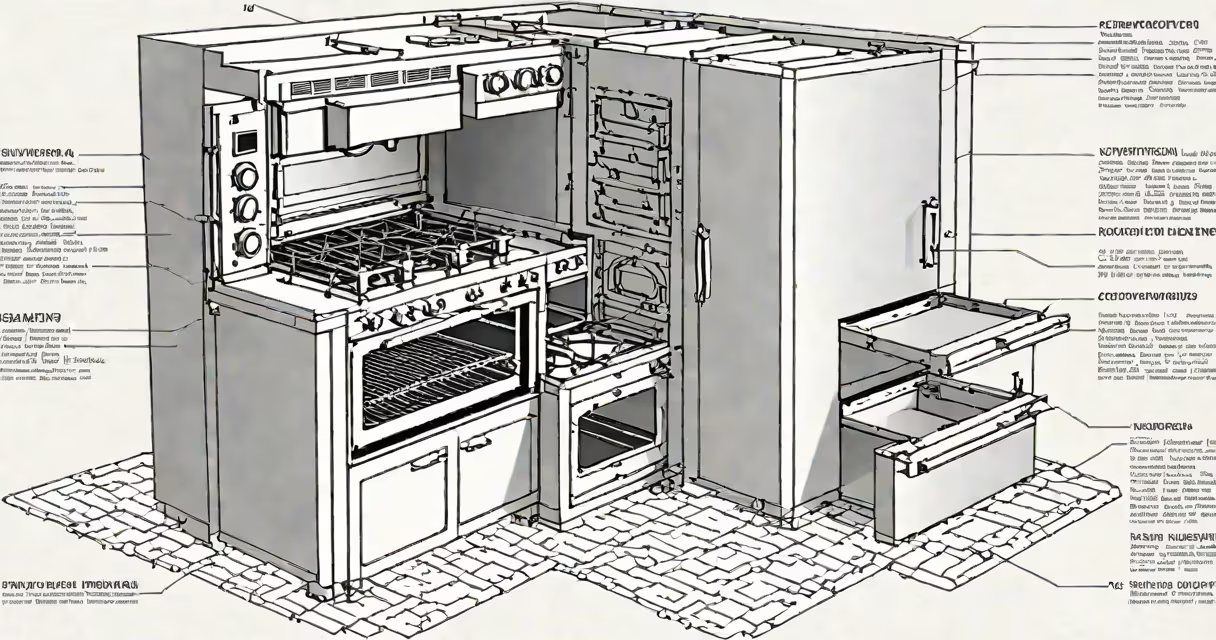
True convection is a cooking method that uses a fan to actively circulate hot air throughout an oven, ensuring even heat distribution. This differs from standard ovens that rely on passive heat rise (natural convection).
A convection oven contains a dedicated fan and exhaust system that continuously circulates hot air. The fan forces air to flow over the heating element, then distributes it evenly throughout the oven cavity. This active circulation eliminates hot spots and ensures consistent cooking temperatures.
Convection systems vary by design and placement:
| Type | Description | Example |
|---|---|---|
| European-style convection | Uses a third heating element behind the fan for even more consistent results | Wolf Sub-Zero ovens |
| Standard convection | Uses existing heating elements with an added fan | Most mid-range convection ovens |
True convection offers several advantages over conventional ovens:
For example, a convection oven can bake a batch of cookies with uniform browning while simultaneously roasting a chicken to perfection.
Many people confuse true convection with other cooking methods:
Convection is often mistaken for conduction, where heat transfers through direct contact (like a pan on a stovetop). While both methods involve heat transfer, convection specifically refers to heat movement through fluid motion (air in this case).
Another misconception is that convection cooking always requires adjusting recipes. While some adjustment may be needed for recipes developed for conventional ovens, many modern convection ovens have settings that automatically adjust temperature and cooking time.
True convection works best for:
However, some delicate dishes like soufflés or custards may require conventional baking to prevent excessive drying.
I've noticed significant differences when using true convection for baking. My cookies come out with consistent color and texture, and my roasted vegetables develop better caramelization compared to when I use a conventional oven.