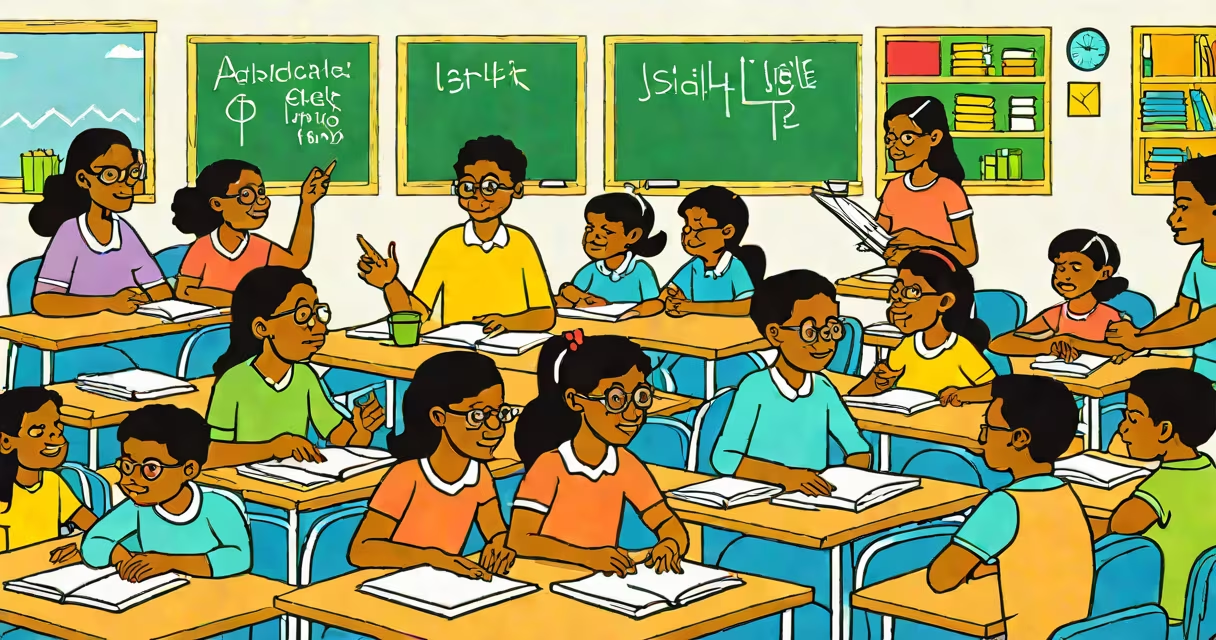
Universal Design for Learning (UDL) is an educational structure that creates flexible learning environments to accommodate individual learning differences. It provides multiple means of engagement, representation, and action/expression to support all students, including those with disabilities.
UDL operates on the principle that not all students learn the same way. By offering various ways to acquire information and demonstrate knowledge, educators can reach more students effectively. For example, a lesson might include visual aids, audio recordings, and hands-on activities to cater to different learning preferences.
UDL consists of three primary principles:
UDL is implemented in classrooms, online learning platforms, and educational materials to make learning accessible to all students. It is particularly useful in special education, where students may have varying abilities and learning styles. For instance, a student with dyslexia might benefit from audiobooks, while a student with ADHD might thrive with hands-on activities.
One common misconception is that UDL is only for students with disabilities. In reality, UDL benefits all students by providing a more inclusive and flexible learning environment. Another misconception is that UDL is time-consuming or difficult to implement. However, many UDL strategies are simple and can be integrated into existing lesson plans.
For example, providing accommodations such as extended time for tests or using assistive technologies are part of UDL practices. These accommodations ensure that all students have equal opportunities to succeed.
UDL is often compared to other frameworks like Individualized Education Programs (IEPs) and English Language Learner (ELL) programs. While IEPs focus on personalized goals for specific students, UDL aims to create a universally accessible learning environment for all students. ELL programs target language acquisition, whereas UDL addresses a broader range of learning needs.
As an educator, I implemented UDL in my classroom by providing various options for students to complete assignments. For instance, students could choose between writing a report, creating a presentation, or recording a podcast. This approach allowed students to showcase their strengths and interests. The results were impressive, with students demonstrating a deeper understanding of the material and a higher level of participation.
UDL in special education is a useful tool for creating inclusive learning environments. By providing multiple means of engagement, representation, and action/expression, educators can support the diverse needs of all students, ensuring that everyone has the opportunity to succeed.