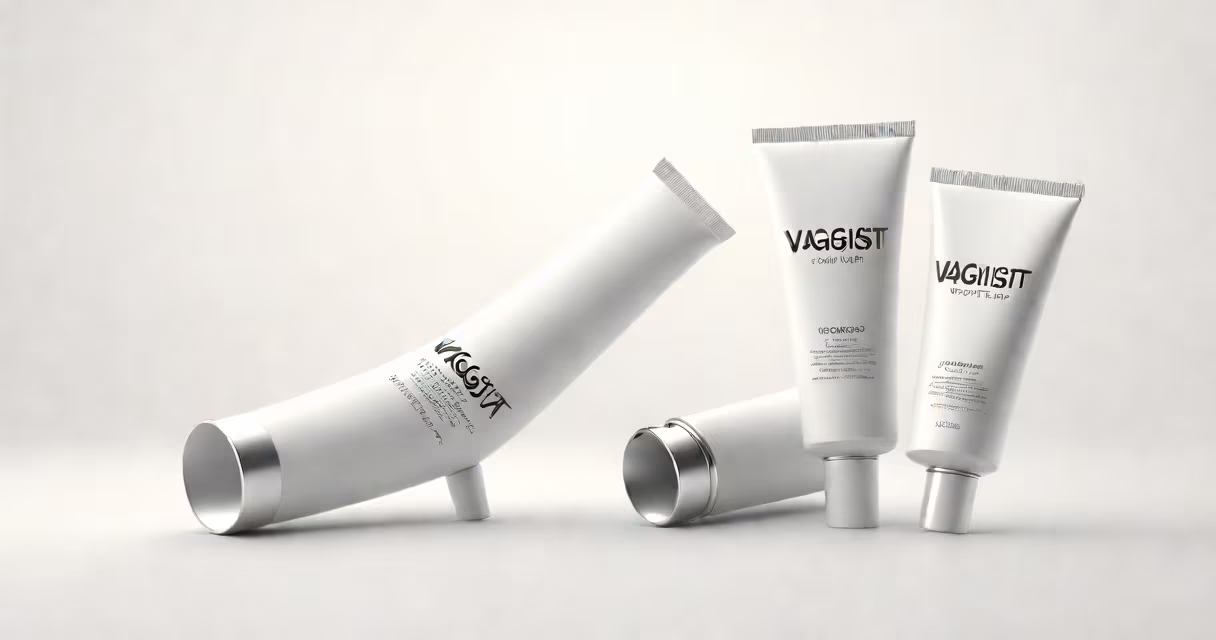
Vagistat is an antifungal medication containing miconazole nitrate, used to treat vaginal yeast infections caused by Candida albicans.
Vagistat works by disrupting the cell membrane of fungal organisms, leading to their death. Miconazole nitrate, the active ingredient, targets ergosterol, a key component of fungal cell membranes. This disruption causes leakage of cellular contents, killing the fungus.
Vagistat is available in two primary forms:
Both forms are applied topically as a cream.
Vagistat is primarily used to treat vaginal yeast infections, also known as candidiasis. Symptoms include itching, burning, and discharge. The cream is applied directly to the affected area, usually once daily for one to three days, depending on the severity of the infection.
According to the Centers for Disease Control and Prevention (CDC), about 75% of women will experience at least one yeast infection in their lifetime. Vagistat provides a convenient and effective treatment option for these common infections.
One common misconception is that Vagistat can be used to treat bacterial infections. However, Vagistat is specifically designed to target fungal infections and is not effective against bacteria. Using it for bacterial infections can lead to ineffective treatment and potential complications.
Another mistake is applying Vagistat internally without consulting a healthcare provider. While Vagistat is generally safe for external use, internal application should be guided by medical advice to ensure proper dosage and administration.
During my research, I spoke with a pharmacist who emphasized the importance of following the prescribed regimen. She mentioned a case where a patient used Vagistat inconsistently, leading to a prolonged infection. Consistent application is important for the medication's effectiveness.