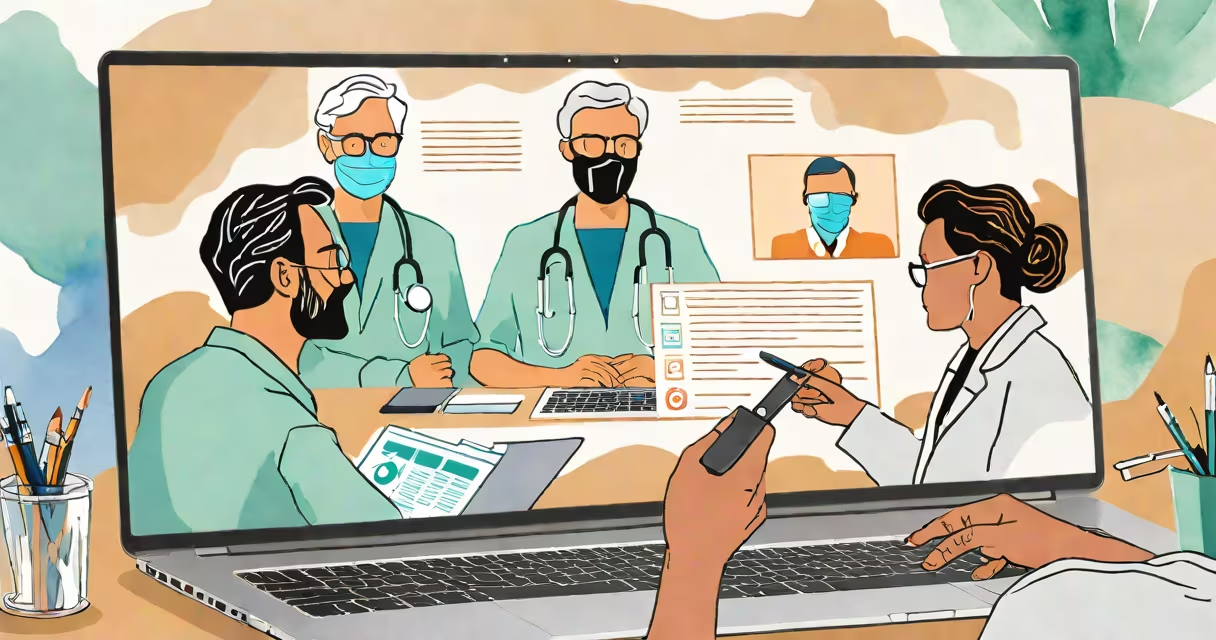
Virtual primary care provides routine medical services through video calls, phone, or apps instead of in-person office visits. It covers checkups, prescriptions, and chronic condition management using secure platforms.
Patients schedule appointments through provider websites or apps. During visits, doctors diagnose conditions, prescribe medications, and create treatment plans. Most services integrate with electronic health records for continuity.
For example, a patient with a sore throat might describe symptoms during a video visit. The doctor could diagnose strep throat, prescribe antibiotics, and recommend follow-up care-all remotely.
| Type | Key Features | Example Providers |
|---|---|---|
| On-demand care | Same-day visits, often without appointments | Teladoc, Amwell |
| Scheduled visits | Pre-booked appointments with regular providers | Kaiser Permanente, One Medical |
| Hybrid models | Combination of virtual and in-person care | PlushCare, Sesame Health |
Virtual primary care handles 80% of common medical issues, including:
According to the American Academy of Family Physicians, 60% of primary care visits could be handled virtually. Many insurers now cover these services equally with in-person visits.
Some patients believe virtual primary care can't handle complex cases or lacks personal connection. However, studies show high patient satisfaction rates (85% or higher) and comparable diagnostic accuracy to in-person visits for most conditions.
I've used virtual primary care for my annual physical and a sinus infection. The process was faster than scheduling an office visit, and my doctor had access to my medical history for accurate treatment.
While both provide remote care, virtual primary care focuses on ongoing relationships with doctors for routine and preventive care. Urgent care addresses acute issues needing immediate attention, like broken bones or severe infections.
For example, a patient with a sprained ankle might use urgent care for immediate evaluation. That same patient could then use virtual primary care for follow-up visits and rehabilitation planning.