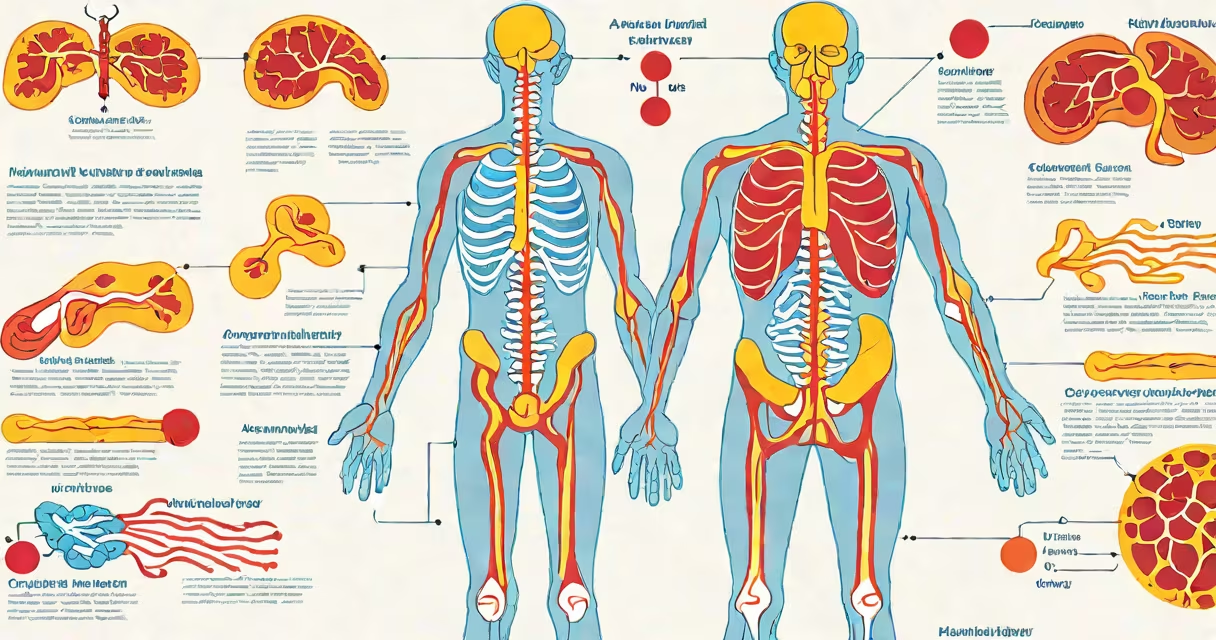
Rheumatoid arthritis (RA) primarily attacks flexible (synovial) joints, but it can also damage organs throughout the body. This chronic autoimmune disease causes the immune system to mistakenly attack healthy tissue, leading to inflammation and eventual destruction of affected areas.
RA begins in the synovium-the lining of membranes that surround joints. The inflammation extends to the joint's lubricating fluid (synovial fluid) and cartilage, causing pain, stiffness, and swelling. Over time, the disease can spread to tendons attaching muscles to bones and even to bone surfaces themselves.
The inflammation doesn't stop at joints. RA can trigger systemic inflammation, affecting multiple organs. The exact mechanisms aren't fully understood, but researchers believe it involves immune cells traveling through the bloodstream and attacking other tissues.
RA's systemic effects stem from the disease's autoimmune nature. The immune system produces antibodies that attack healthy tissue. In RA, these antibodies target the lining of joints but can also affect other organs. The exact triggers remain unknown, but genetic and environmental factors play roles.
A 2017 study published in Nature Reviews Rheumatology found that RA patients have higher levels of certain inflammatory proteins (cytokines) in their blood, which can contribute to organ damage. These proteins circulate throughout the body, potentially affecting any organ system.
I once spoke with an RA patient who had severe lung involvement but no respiratory symptoms. She only discovered the damage during a routine chest X-ray. This highlights the importance of regular check-ups for RA patients, even if they feel well.
Treatment focuses on controlling joint inflammation but also monitors for organ involvement. Common medications include disease-modifying anti-rheumatic drugs (DMARDs), biologics, and corticosteroids. Regular screenings help detect complications early.
The Arthritis Foundation recommends that RA patients receive annual lung function tests, eye exams, and cardiovascular assessments. Early intervention can prevent or minimize organ damage.