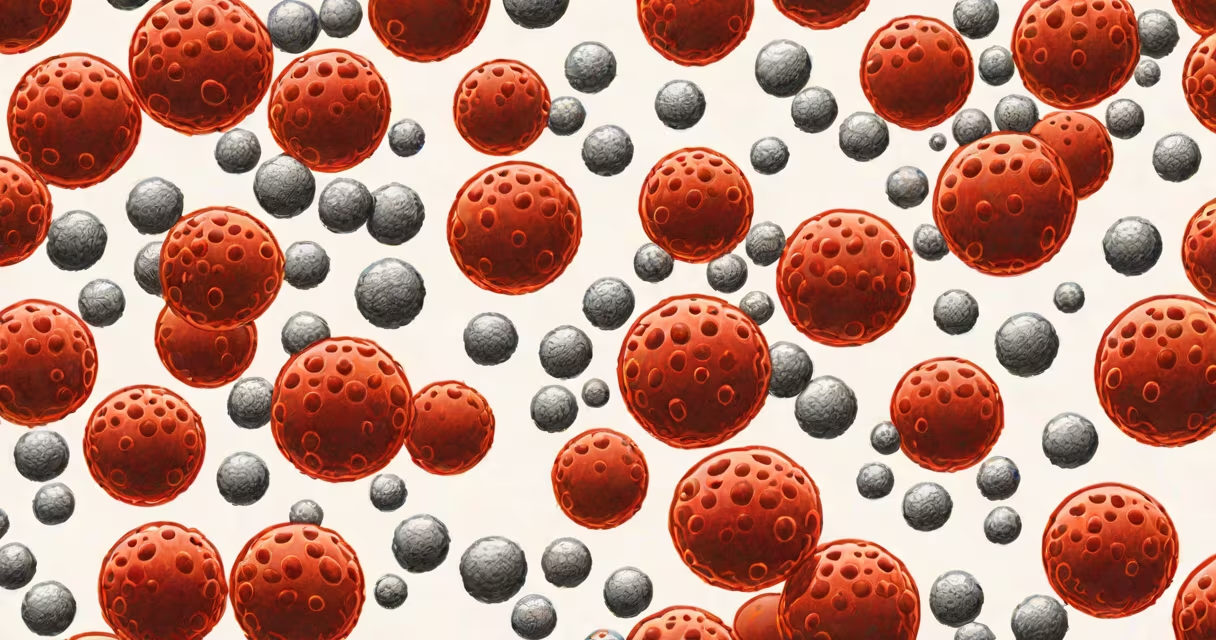
Rh positive means your red blood cells have the Rh protein (D antigen) on their surface. About 85% of people are Rh positive.
The Rh factor is a protein that can trigger an immune response if an Rh-negative person receives Rh-positive blood. The most common Rh proteins are D, C, c, E, and e, with D being the most significant.
| Blood Type | Rh Factor | Percentage of Population |
|---|---|---|
| A | Positive or Negative | 4% (A+) / 6% (A-) |
| B | Positive or Negative | 11% (B+) / 2% (B-) |
| AB | Positive or Negative | 4% (AB+) / 1% (AB-) |
| O | Positive or Negative | 38% (O+) / 7% (O-) |
Rh incompatibility can cause severe reactions during blood transfusions or pregnancy. If an Rh-negative mother carries an Rh-positive baby, her immune system may produce antibodies against the baby's Rh-positive red blood cells, leading to hemolytic disease of the newborn.
To prevent this, Rh-negative mothers receive Rh immunoglobulin shots during pregnancy and after delivery to neutralize any Rh-positive blood cells from entering their circulation.
Many people confuse Rh factor with ABO blood type. While both are essential for blood compatibility, they are distinct systems. Rh factor specifically refers to the presence or absence of the D antigen on red blood cells.
Another misconception is that Rh-negative blood is rarer than it actually is. While it is less common than Rh-positive blood, it is still present in about 15% of the population.
I once worked with a nurse who explained that Rh incompatibility was discovered during World War II when soldiers received blood transfusions. This led to a better understanding of blood compatibility and the development of Rh immunoglobulin to prevent complications in pregnancies.
Understanding what Rh positive means is important for safe blood transfusions and healthy pregnancies. If you are Rh negative, consult your healthcare provider for appropriate care during pregnancy.