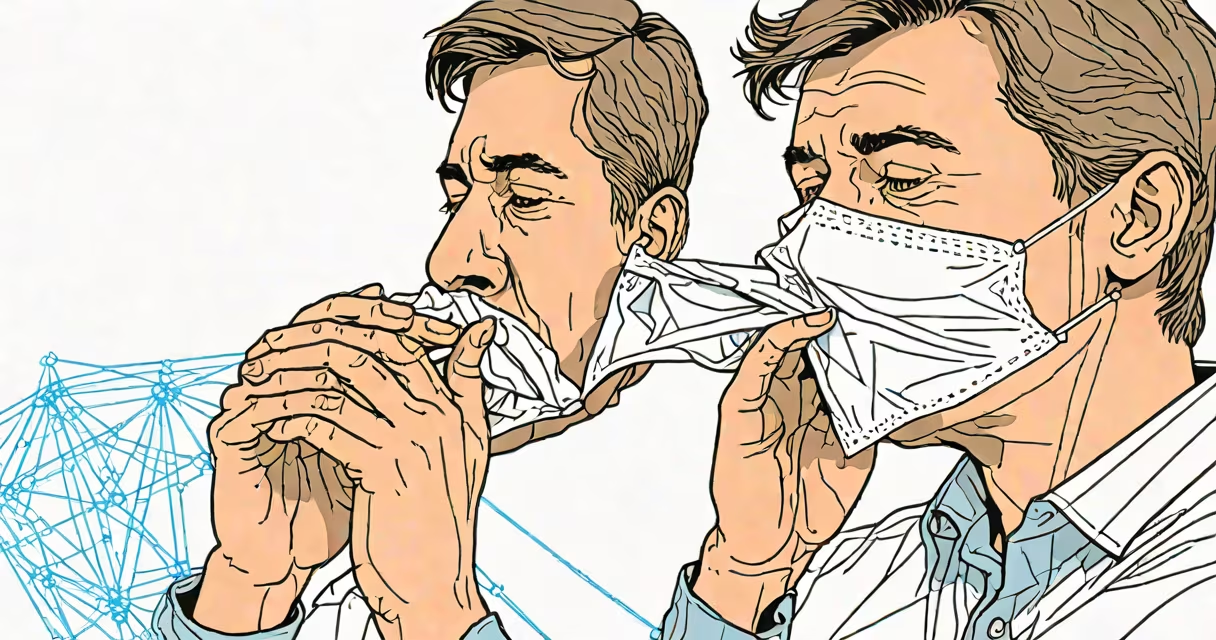
A wet cough produces mucus or phlegm, often signaling an underlying condition like a cold, flu, or infection. Unlike a dry cough, it serves to clear excess mucus from the airways.
The body produces mucus to trap and expel irritants, bacteria, or viruses. A wet cough helps move this mucus out of the lungs and throat. Persistent wet coughs may indicate conditions like bronchitis, pneumonia, or chronic obstructive pulmonary disease (COPD).
Wet coughs result from infections, allergies, or environmental irritants. Common causes include:
Most wet coughs resolve within a few weeks. Over-the-counter (OTC) expectorants like guaifenesin (found in Mucinex) thin mucus, making it easier to cough up. Decongestants reduce swelling in nasal passages, while antihistamines block histamine production during allergic reactions.
Natural remedies include staying hydrated, using a humidifier, and inhaling steam to loosen mucus. Honey soothes throat irritation and suppresses coughs, though it's unsafe for children under 1 year old due to botulism risk.
Consult a healthcare provider if a wet cough lasts longer than three weeks, is accompanied by fever, shortness of breath, or bloody mucus. These symptoms may indicate a bacterial infection requiring antibiotics or other treatments.
Many people confuse wet coughs with dry coughs, leading to improper treatment. Suppressants (e.g., dextromethorphan) are ineffective for wet coughs, as they inhibit the body's natural response to clear mucus. Always check medication labels to ensure the correct type of remedy.
Another mistake is ignoring persistent wet coughs, which can worsen underlying conditions. For example, untreated bacterial infections may progress to pneumonia.
During a recent upper respiratory infection, I used a combination of honey tea and a humidifier to relieve my wet cough. The humidifier helped loosen mucus, while the honey soothed my throat. Within a week, the cough subsided completely.
Wet coughs are typically manageable with OTC medications, hydration, and natural remedies. However, persistent or severe cases require medical attention. Understanding the cause and proper treatment ensures faster recovery and prevents complications.