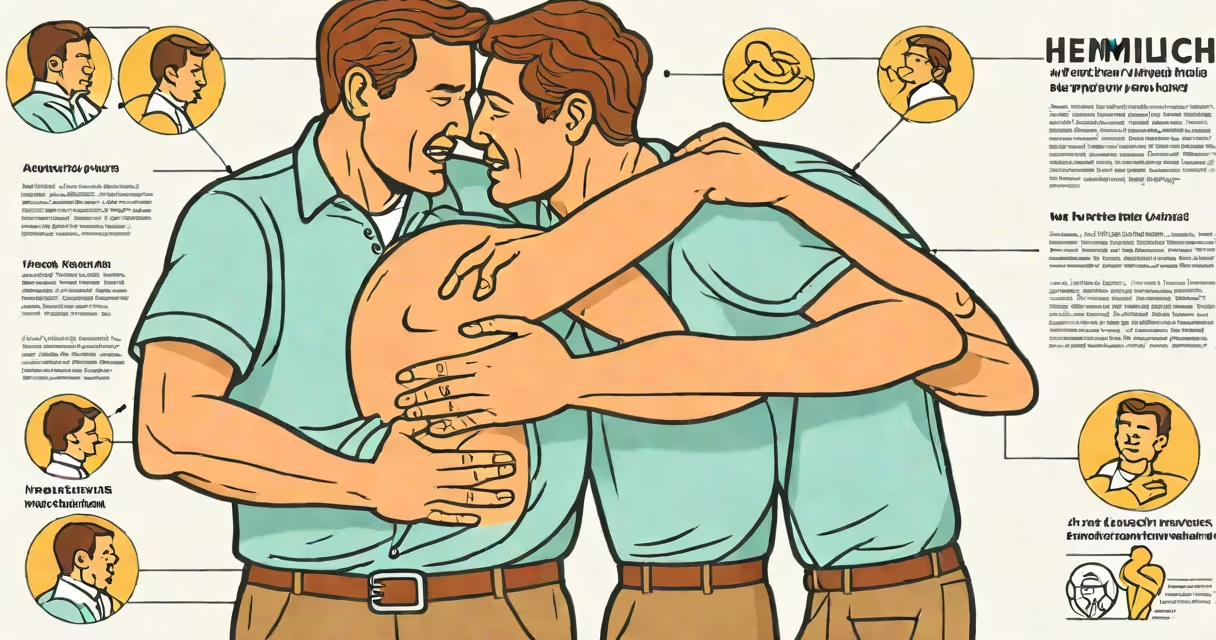
Aspiration occurs when food, liquid, or other substances enter the lungs instead of the stomach. Immediate action is critical to prevent serious complications like pneumonia or respiratory failure.
Most aspiration happens during eating or drinking, especially in people with swallowing difficulties. Common causes include:
| Type | Description | Common Causes |
|---|---|---|
| Silent Aspiration | Occurs without obvious signs like coughing | Swallowing disorders, reduced consciousness |
| Frank Aspiration | Obvious signs like coughing, choking, or gagging | Choking on food/liquid, severe coughing fits |
If someone shows signs of aspiration (coughing, wheezing, difficulty breathing), follow these steps:
For silent aspiration, watch for symptoms like fever, cough, or shortness of breath within hours or days.
Even if the person recovers quickly, seek medical attention if they develop:
Doctors may perform a chest X-ray or bronchoscopy to assess lung damage.
People at high risk (e.g., stroke survivors, dementia patients) can reduce risks by:
Speech therapists can teach swallowing exercises to improve muscle control.
I once helped a friend who choked on a piece of meat. After performing the Heimlich maneuver, they coughed up the obstruction and recovered. Always stay calm and act quickly.