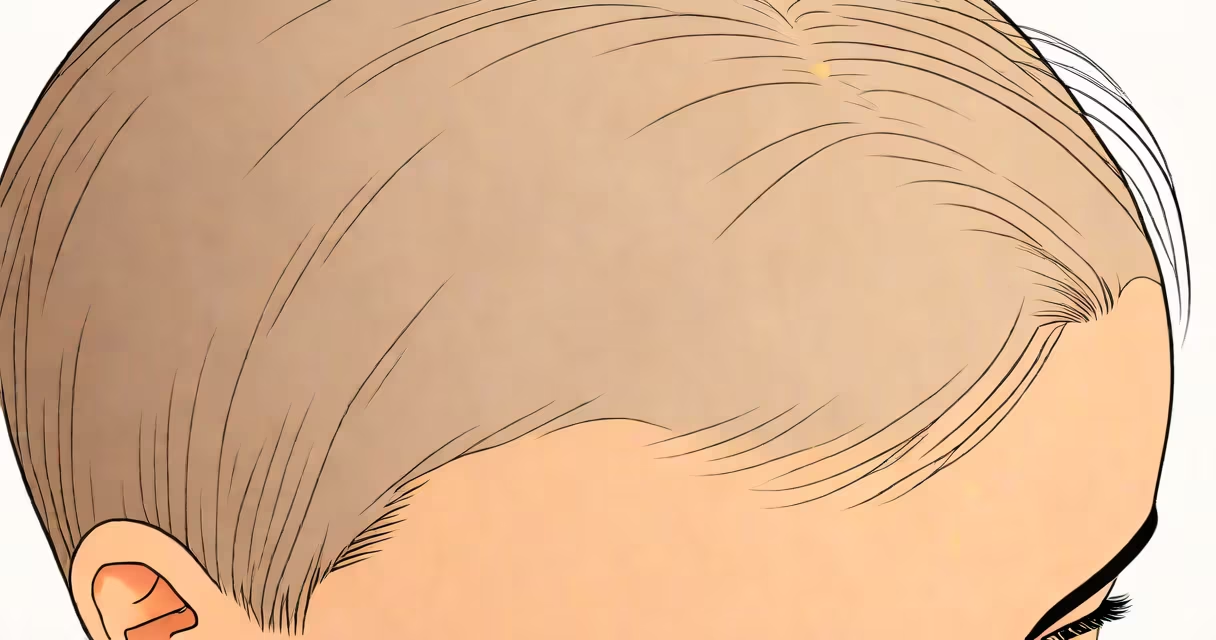
Alopecia areata is an autoimmune disease where the immune system attacks hair follicles, causing sudden hair loss in round patches. It affects people of all ages, often starting with small bald spots on the scalp.
The immune system mistakenly targets healthy hair follicles, disrupting normal hair growth. Unlike gradual thinning, alopecia areata causes noticeable bald patches within days. The exact trigger remains unknown, but genetics and environmental factors play roles.
Alopecia areata appears in several forms:
| Type | Description | Common Areas Affected |
|---|---|---|
| Alopecia areata (patchy) | Small, round bald patches | Scalp, beard, eyebrows |
| Alopecia totalis | Complete scalp hair loss | Entire scalp |
| Alopecia universalis | Loss of all body hair | Scalp, face, arms, legs |
Most cases begin with patchy hair loss, which may spread or stabilize. Some people regrow hair within a year, while others experience recurring episodes.
Alopecia areata affects about 2% of people worldwide, with symptoms often appearing in childhood or early adulthood. According to the National Alopecia Areata Foundation, nearly 20% of cases start before age 18. Stress, infections, or other immune triggers may contribute.
Unlike male or female pattern baldness, alopecia areata doesn't follow predictable patterns. Hair may regrow in one area while new patches appear elsewhere. Nail changes, such as pitting or ridges, sometimes accompany hair loss.
While no cure exists, treatments can promote hair regrowth or slow progression. Corticosteroids, topical immunotherapy, and JAK inhibitors are common options. Mild cases may improve with over-the-counter minoxidil, though results vary.
Many assume alopecia areata is caused by stress alone. While stress may worsen symptoms, it's not the primary cause. The condition stems from immune system dysfunction, often with genetic links.
In my experience working with dermatology patients, I've seen alopecia areata resolve spontaneously in some individuals, even without treatment. However, others require long-term management to maintain hair growth.