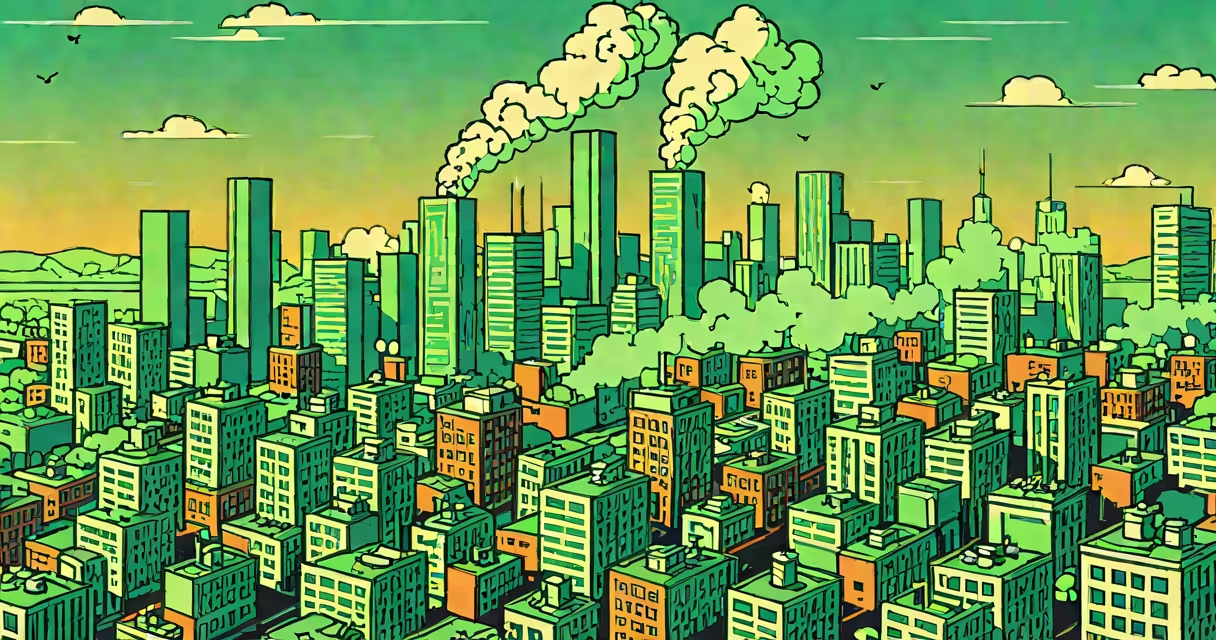
Air quality typically improves within hours to days after pollution sources subside, though persistent issues may require weeks or longer. This depends on weather patterns, emission levels, and local regulations.
Air quality improves when pollutants disperse, react, or settle out of the air. Wind speed and direction play important roles. A steady breeze can clear pollutants quickly, while stagnant air traps them near the ground. Rainfall also helps by washing particles out of the atmosphere.
Pollutants fall into two categories: primary and secondary. Primary pollutants come directly from sources like vehicles, factories, and wildfires. Secondary pollutants form in the air through chemical reactions, such as ozone created by sunlight interacting with emissions.
Urban areas often face worse air quality due to higher population density and industrial activity. Rural regions may experience temporary spikes from wildfires or agricultural burning. Improving air quality reduces health risks like respiratory diseases and heart conditions, making it essential for public health.
For example, Los Angeles has historically struggled with smog. The city implemented stricter vehicle emission standards and expanded public transportation, leading to significant improvements in air quality over decades.
Many people assume that air quality only worsens during summer due to increased ozone formation. However, winter can also bring poor air quality, especially in colder climates where inversions trap pollutants near the ground. For instance, Salt Lake City often experiences high pollution levels in winter due to temperature inversions.
Another misconception is that air quality is solely determined by local factors. Transboundary pollution, such as smoke from distant wildfires or industrial emissions carried by wind, can impact air quality far from the source.
| Factor | Impact on Air Quality |
|---|---|
| Wind Speed | High wind speeds disperse pollutants quickly. |
| Rainfall | Washes particles out of the air. |
| Temperature Inversions | Traps pollutants near the ground, worsening air quality. |
| Local Regulations | Reduces emissions from vehicles and industries. |
For instance, during the COVID-19 pandemic, many cities saw improved air quality due to reduced vehicle traffic and industrial activity. According to a study published in the journal Science Advances, global nitrogen dioxide levels dropped by nearly 20% during the peak of the lockdowns.
To predict when air quality will improve, monitor weather forecasts for changes in wind patterns and rainfall. Check local air quality indexes, which provide real-time data on pollution levels., stay informed about local regulations and industrial activities that may affect emissions.
For example, the Environmental Protection Agency (EPA) provides tools like the AirNow website, which offers real-time air quality data and forecasts for various locations across the United States.
Understanding these factors and monitoring local conditions can help you anticipate when air quality will improve, allowing you to plan outdoor activities safely.