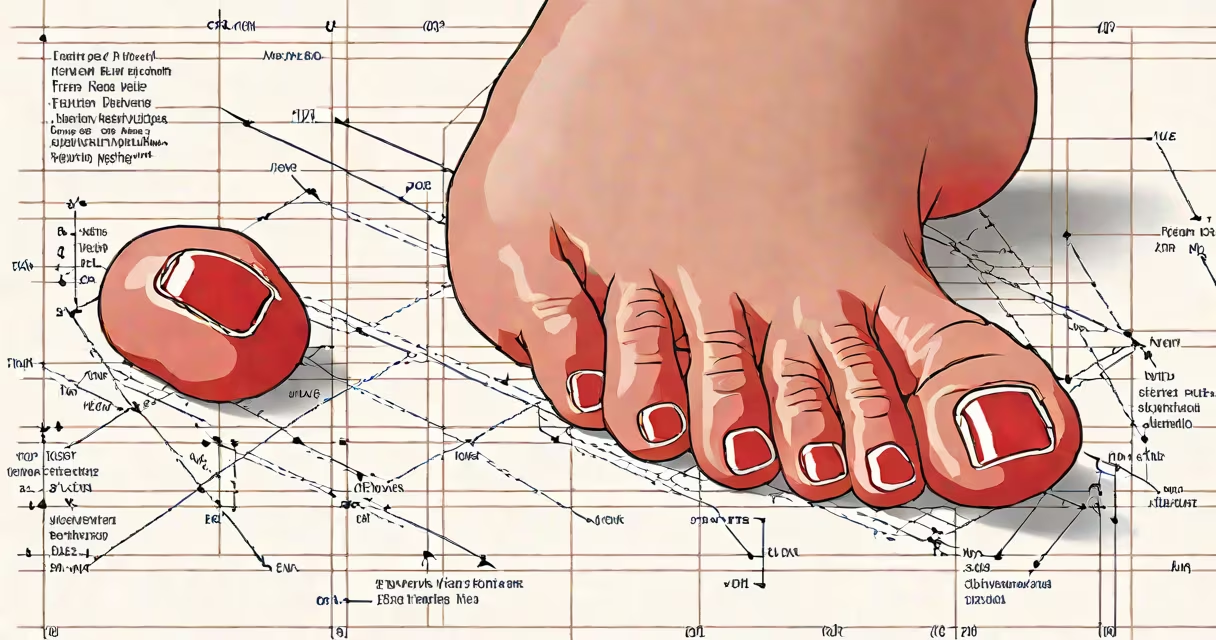
A red pinky toe often signals minor irritation, but it can also indicate underlying conditions like trauma, infection, or circulation issues. Most cases resolve with simple home care, though persistent redness warrants medical evaluation.
Your pinky toe (fifth digit) has fewer muscles and tendons than other toes, making it more prone to irritation from tight shoes or repetitive stress. Redness occurs when small blood vessels near the skin's surface dilate due to inflammation, injury, or poor circulation.
The most common reasons for a red pinky toe include:
Consult a healthcare provider if redness persists beyond a few days, worsens, or accompanies swelling, pain, or discharge. Chronic redness may signal underlying vascular problems requiring professional treatment.
I once noticed my pinky toe turning red after a long hike in tight boots. The redness faded within 24 hours after elevating my foot and applying ice, but I kept an eye on it to ensure no infection developed.
Many people assume toe redness is always harmless, but it can sometimes indicate serious conditions like cellulitis (a bacterial skin infection) or gout. Unlike minor irritation, these require immediate medical attention.
According to the American Podiatric Medical Association, toe injuries or infections left untreated can lead to long-term complications, including chronic pain or deformity.
To avoid redness in your pinky toe: