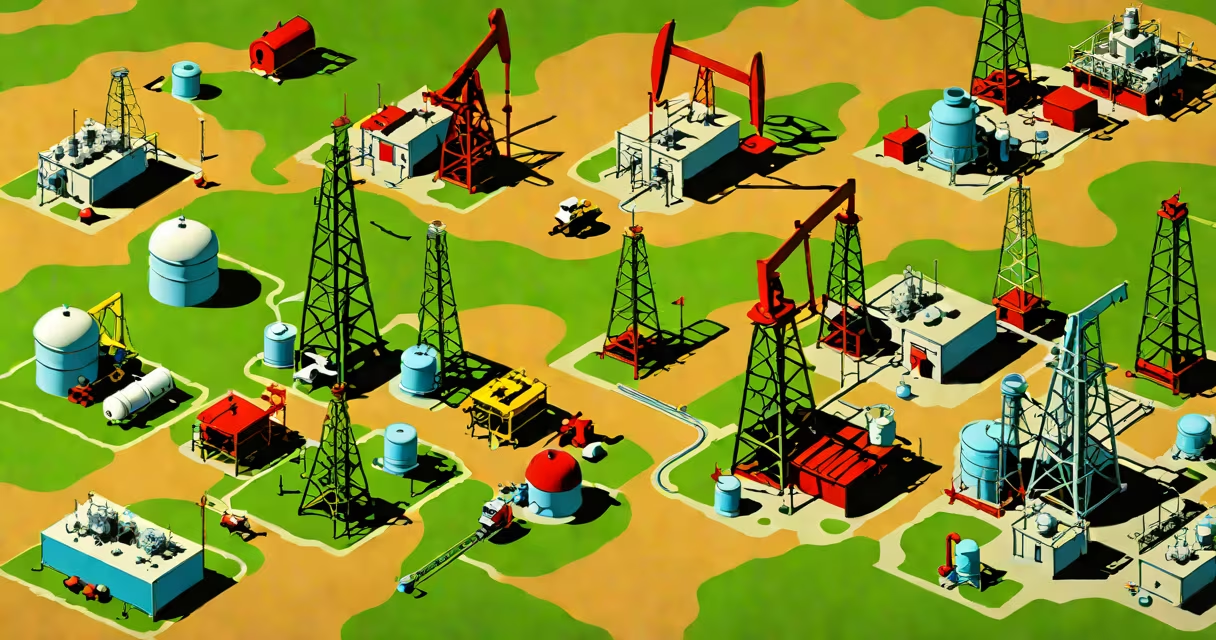
The Wyoming Oil and Gas Conservation Commission is a state agency that regulates oil and gas production to prevent waste and protect natural resources. It ensures operators follow safety and environmental standards.
The commission oversees drilling, production, and plugging operations. It issues permits, conducts inspections, and enforces state laws. For example, it requires operators to submit well-spacing applications to prevent overproduction.
| Regulation Area | Requirement |
|---|---|
| Well Spacing | Minimum distances between wells to prevent overproduction |
| Plugging | Proper abandonment of wells to prevent leaks |
| Environmental Protection | Prevention of spills and contamination |
For instance, Wyoming requires wells to be plugged within 60 days of abandonment to prevent groundwater contamination.
Many confuse the commission's role with federal agencies like the Bureau of Land Management. While both regulate energy production, the commission focuses on state-specific concerns, such as protecting Wyoming's unique geology.
Unlike other states, Wyoming doesn't have a severance tax on oil and gas production. Instead, it relies on lease bonuses and royalties for revenue. This makes the commission's conservation work important for long-term resource management.
I once visited a Wyoming gas field where the commission had ordered operators to install additional safety equipment. The site was cleaner and better maintained than fields in other states I'd seen, demonstrating the commission's impact.
The commission's work ensures sustainable energy production while protecting Wyoming's environment. Its regulations help maintain stable markets and prevent resource depletion.
For more on state-level energy regulation, see how Oklahoma manages its oil and gas sector. To understand the resources being protected, read about how oil and gas form underground.