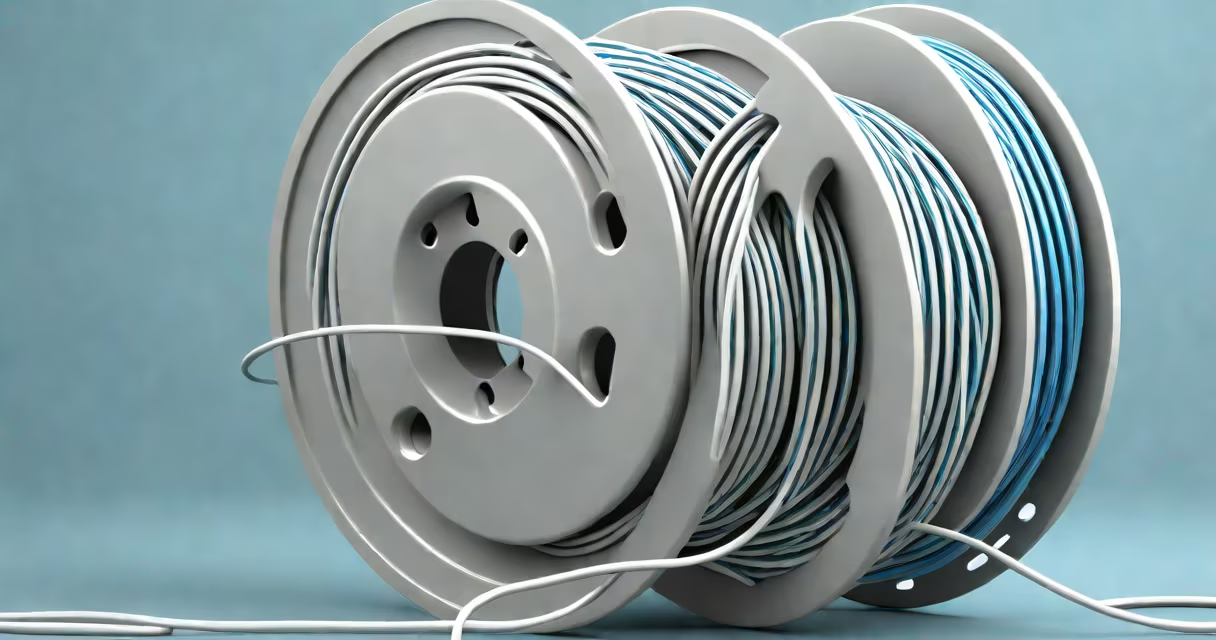
A 1000 ft cat 5e cable is a bulk roll of twisted pair ethernet cable designed for gigabit network connections. It contains four pairs of copper wires, each twisted to reduce interference, and features RJ45 connectors for linking devices to routers or switches.
Cat 5e cable transmits data using electrical signals sent through its copper wires. The twists in each pair prevent crosstalk, where signals from one pair interfere with another. This design allows Cat 5e to support speeds up to 1 Gbps at distances up to 328 feet (100 meters). Beyond that, signal degradation occurs, requiring repeaters or switches to maintain performance.
Cat 5e cable comes in two primary variants:
For most home and office networks, UTP is sufficient. STP is typically used in environments with high levels of electrical noise, such as industrial settings or near power lines.
Cat 5e is the standard for wired local area networks (LANs) due to its balance of cost, performance, and ease of installation. It's commonly used in homes, offices, and small businesses for connecting computers, printers, and other devices to routers or switches. A 1000 ft bulk roll allows installers to cover large areas without splicing, reducing weak points in the network.
For example, a small office might use a 1000 ft cat 5e cable to run wiring throughout multiple rooms, connecting workstations to a central switch. The excess cable can be stored for future expansions or repairs.
Many people confuse Cat 5e with newer standards like Cat 6 or Cat 8. While Cat 5e supports gigabit speeds, Cat 6 offers improved performance with higher bandwidth and reduced crosstalk. Cat 8, available in 100 ft lengths, is designed for data centers and supports speeds up to 40 Gbps over shorter distances.
Another misconception is that longer cables always perform worse. While signal degradation increases with distance, a properly installed 1000 ft cat 5e cable can still function effectively within its rated limits. The key is avoiding sharp bends, kinks, or excessive twisting, which can degrade performance.
When installing a 1000 ft cat 5e cable, follow these best practices:
I once installed a 1000 ft cat 5e cable in a large office building. By planning the route carefully and using cable management tools, I avoided signal issues and completed the project efficiently.
Depending on your needs, you might consider alternatives to Cat 5e:
| Cable Type | Max Speed | Max Distance | Best For |
|---|---|---|---|
| Cat 5e | 1 Gbps | 328 ft (100 m) | Home and small office networks |
| Cat 6 | 10 Gbps | 164 ft (50 m) | Offices and businesses needing higher bandwidth |
| Cat 6a | 10 Gbps | 328 ft (100 m) | Data centers and large enterprises |
| Cat 8 | 40 Gbps | 30 m | Data centers and high-performance applications |