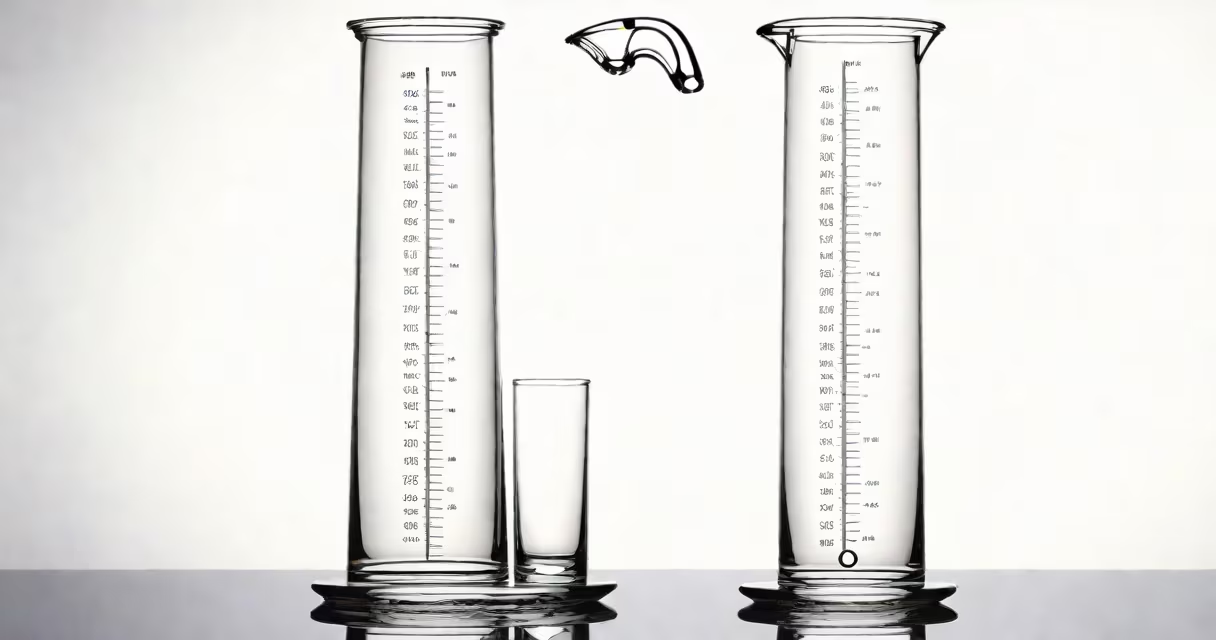
1000 cubic centimeters (cc) is a metric unit of volume equal to one liter, defined as the space occupied by a cube measuring 10 cm × 10 cm × 10 cm.
Cubic centimeters measure volume in three dimensions. The cubic centimeter is derived from the base unit of length in the metric system, the centimeter. One cubic centimeter equals 0.001 liters or 1 milliliter (mL).
1000 cubic centimeters convert to:
Conversions are useful in scientific research, engineering, and everyday measurements like fuel consumption or liquid ingredients.
1000 cc is common in cooking (measuring liquids), medicine (dosing medications), and automotive engineering (engine displacement). For example, a typical soda bottle holds 500 mL, while a large juice carton may hold 1 L (1000 cc).
Many confuse cubic centimeters with milliliters, though they are equivalent. Others mistake cubic centimeters for cubic meters, which are much larger. For instance, 1000 cc is 1 L, but 1000 cubic meters is a massive 1 million liters.
I once measured engine oil using a 1000 cc beaker. The oil took up half the beaker, showing how small 1000 cc looks in a larger container. This helped me understand why precise measurements matter in technical fields.
A recipe calls for 2 liters of broth. Convert this to cubic centimeters:
2 L = 2 × 1000 cc = 2000 ccSo, 2 liters equals 2000 cubic centimeters.