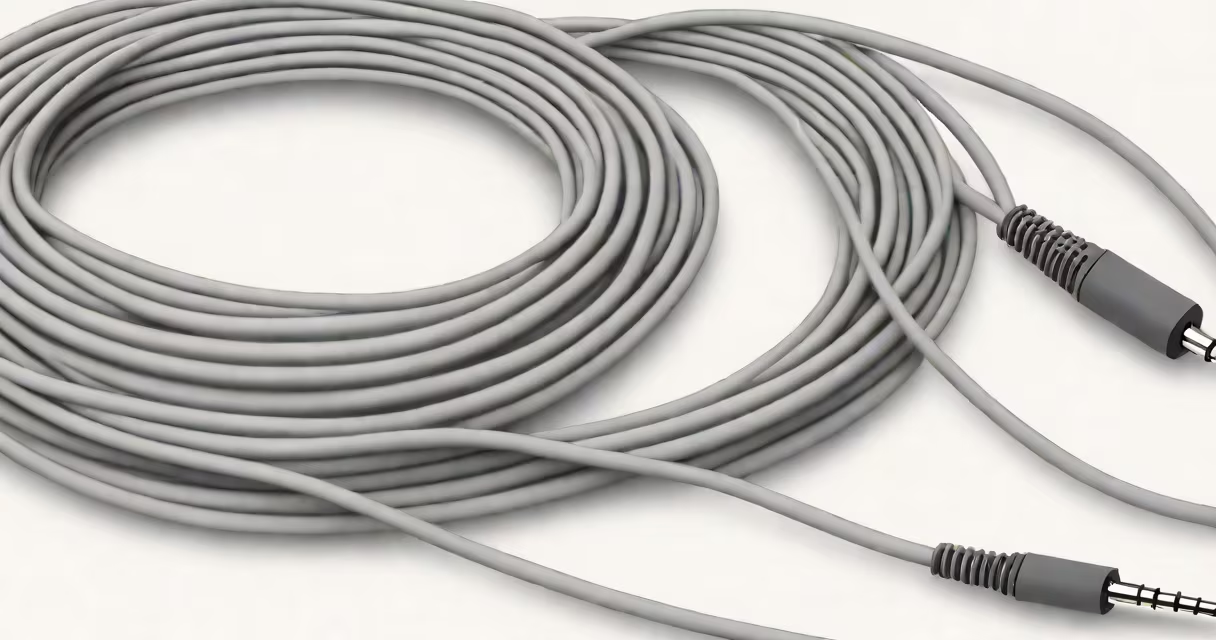
A 26 AWG Ethernet cable is a network cable with a thinner wire gauge (26 American Wire Gauge) than standard Ethernet cables (typically 22-24 AWG). This makes it more flexible and easier to route through tight spaces, though it transmits data at lower speeds than thicker cables.
Like all Ethernet cables, 26 AWG versions transmit data using twisted pairs of copper wires. The smaller diameter reduces signal capacity but improves flexibility. Most 26 AWG cables support speeds up to 100 Mbps (Fast Ethernet) over shorter distances, making them suitable for home networks but not enterprise environments requiring gigabit speeds.
Most 26 AWG Ethernet cables are either Cat5e or Cat6, though some manufacturers offer Cat6a versions. The table below compares key specifications:
| Category | Max Speed | Max Distance | Shielding |
|---|---|---|---|
| Cat5e | 1 Gbps | 100 meters | Unshielded (UTP) |
| Cat6 | 10 Gbps | 55 meters | Unshielded (UTP) or shielded (FTP/STP) |
| Cat6a | 10 Gbps | 100 meters | Shielded (FTP/STP) |
Home installers often choose 26 AWG Ethernet cables for their flexibility, especially in retrofitting older homes with limited space for thick cables. They're common in smart home setups, connecting IoT devices, security cameras, and streaming devices. However, they're rarely used in commercial settings where higher speeds are required.
For example, a homeowner might use a 26 AWG Cat5e cable to run Ethernet from a basement router to a wall plate in a living room, then connect a streaming device. The thinner cable fits easily behind baseboards or inside walls without requiring large conduit.
Another misconception is that all 26 AWG cables are the same. Some manufacturers use lower-quality copper or inferior insulation, which can degrade performance. Look for cables with pure copper conductors and proper certification (e.g., TIA/EIA standards).
When I wired my own home network, I chose 26 AWG Cat6 cables for most runs. The flexibility made it easier to fish them through tight spaces, such as between floor joists and behind drywall. For longer runs or high-traffic areas, I used thicker 24 AWG cables to ensure better signal integrity.
According to the Telecommunications Industry Association (TIA), thinner cables like 26 AWG are increasingly popular in residential installations due to their ease of use. However, they're not a replacement for thicker cables in professional settings where speed and reliability are critical.
For higher speeds, consider standard 22-24 AWG Ethernet cables, which support multi-gigabit connections. For outdoor or industrial use, look for 15 Ethernet cable options with ruggedized jackets. If flexibility is the priority but not speed, 26 AWG remains a solid choice for home networking.