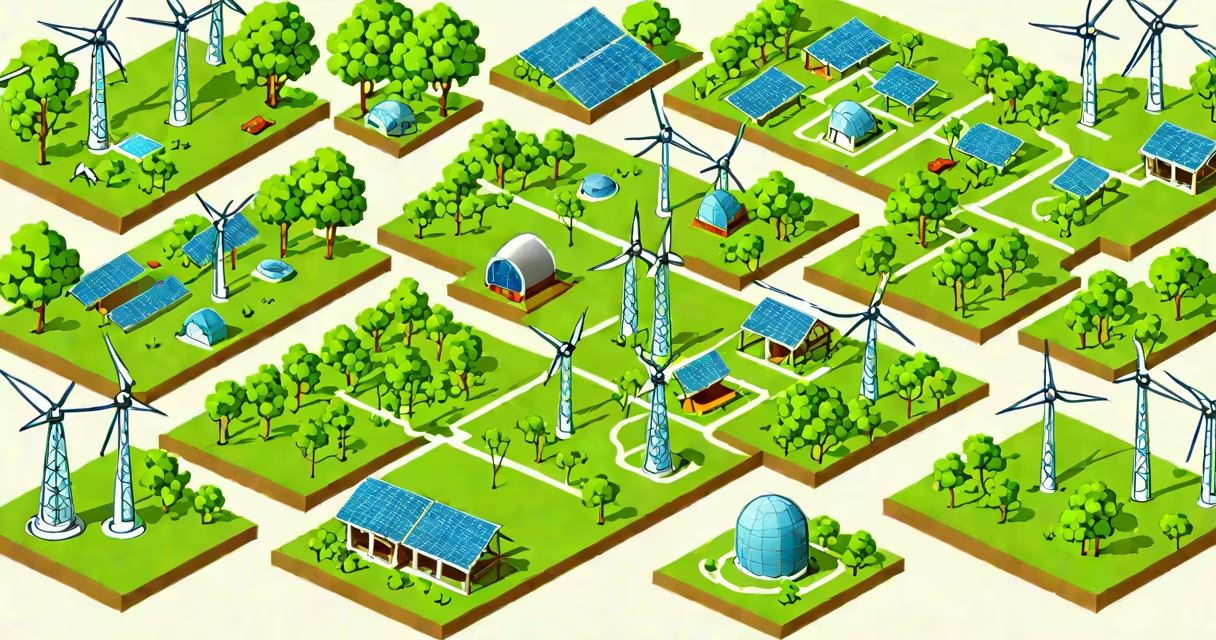
Climate change solutions are actions taken to reduce greenhouse gas emissions, remove existing gases from the atmosphere, and adapt to the effects of climate change. The most effective solutions combine mitigation (reducing emissions) and adaptation (preparing for impacts).
Climate change is caused by human activities that increase heat-trapping greenhouse gas concentrations in the atmosphere, such as burning fossil fuels for electricity, heat, and transportation. Deforestation is another major contributor.
These solutions work by either reducing the amount of greenhouse gases emitted into the atmosphere or removing existing gases from the air. Some solutions focus on preventing further damage, while others aim to reverse the effects of climate change that have already occurred.
The three main types of climate change solutions are:
These solutions are implemented globally, with varying degrees of effectiveness depending on local conditions and resources. For example, renewable energy solutions like wind and solar power are widely adopted in regions with abundant sunlight or wind resources. Reforestation is particularly effective in areas that have experienced significant deforestation, such as the Amazon rainforest.
One common misconception is that individual actions, such as recycling or using reusable bags, are sufficient to combat climate change. While these actions are helpful, they are not enough on their own. Systemic changes, such as transitioning to renewable energy and implementing policies to reduce emissions, are necessary to make a significant impact.
Another misconception is that climate change solutions are too expensive or will harm economic growth. In reality, many solutions, such as energy efficiency improvements, can save money in the long run., investing in renewable energy can create jobs and stimulate economic growth.
One example of a successful climate change solution is the transition to renewable energy sources like wind and solar power. For instance, Denmark has set a goal to become carbon neutral by 2050 and has already achieved over 50% of its electricity from wind power. This transition has not only reduced greenhouse gas emissions but has also created jobs and stimulated economic growth in the renewable energy sector.
I recently visited a community that had implemented a combination of solar panels and energy-efficient appliances in their homes. The residents reported significant reductions in their energy bills and a sense of pride in contributing to a cleaner environment. This experience highlighted the tangible benefits of adopting climate change solutions at the local level.