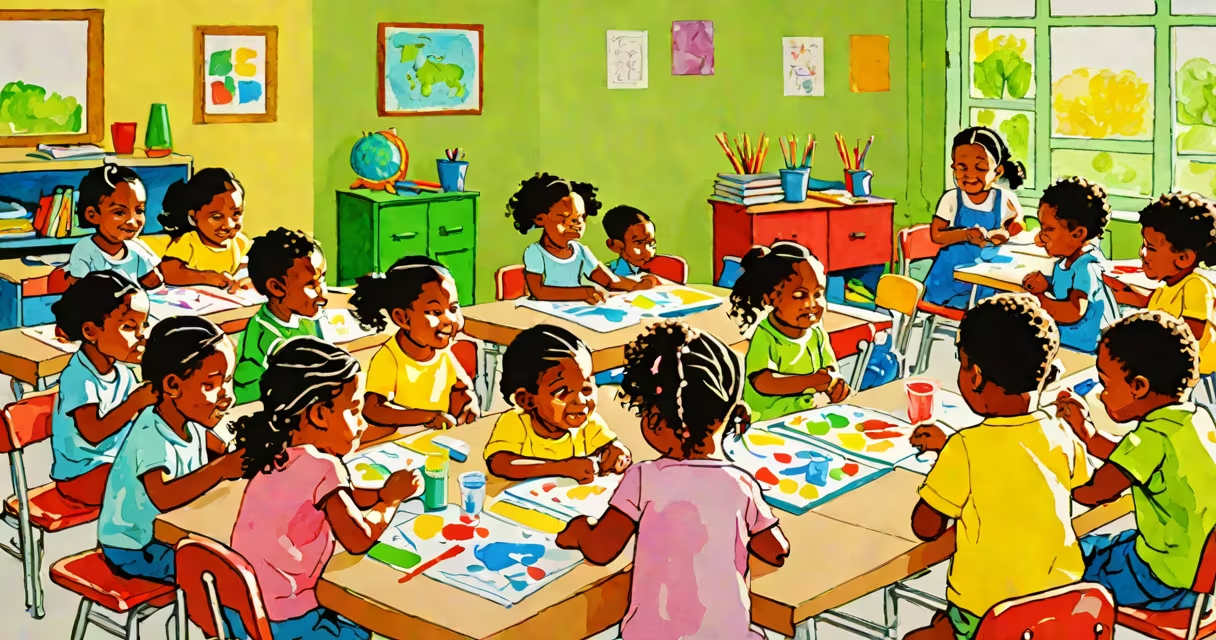
Children aged 3 to 5 experience rapid growth in language, motor skills, and social understanding, preparing them for formal education. This stage, often called the preschool years, builds foundational abilities for kindergarten and beyond.
Between ages 3 and 5, children develop at different rates, but key patterns emerge. At 3, they typically speak in short sentences and begin recognizing colors and shapes. By 4, many can count to 10, follow simple instructions, and engage in pretend play. At 5, most can write their names, understand basic time concepts, and follow multi-step directions.
Growth occurs in four areas:
Parents often confuse typical behavior with developmental delays. For example, a 3-year-old who resists bedtime isn't necessarily defiant-they may struggle with separating from caregivers. Similarly, a 4-year-old who mixes up letters isn't dyslexic; they're still developing phonemic awareness.
When my daughter turned 4, she struggled with sharing toys. We practiced turn-taking games at home, and within months, she initiated sharing at preschool. Small, consistent efforts made a noticeable difference.
Encourage learning through play, structured routines, and positive reinforcement. Limit screen time and prioritize hands-on activities like drawing, building blocks, and outdoor exploration. If concerns arise, consult a pediatrician or early childhood specialist.