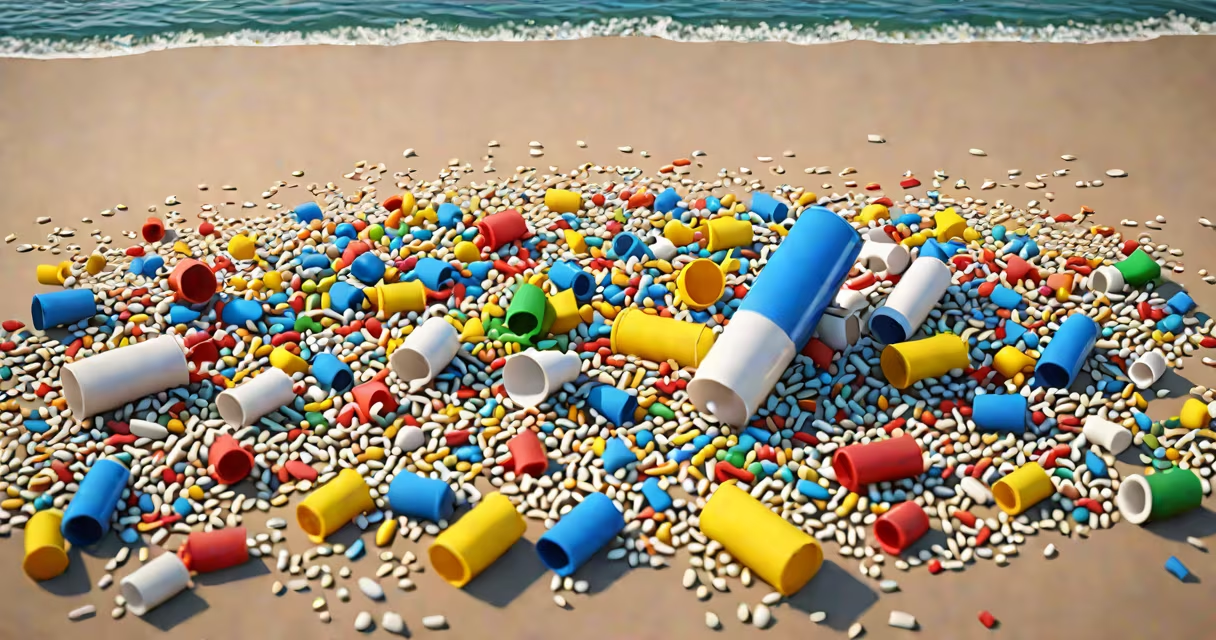
Plastic causes severe environmental damage, health risks, and economic losses through pollution, wildlife harm, and microplastic contamination. Here's how.
Plastic waste disrupts ecosystems by taking centuries to decompose. In 2018, researchers estimated 8.3 billion metric tons of plastic produced globally, with only 9% recycled. Most ends up in landfills or oceans, breaking into microplastics that contaminate soil and water.
The five most damaging effects include:
Many assume plastics labeled "biodegradable" break down safely. However, these often require industrial facilities to decompose, leaving fragments behind. True biodegradable alternatives, like PLA, derived from cornstarch, degrade within months under compost conditions.
Microplastics, smaller than 5mm, originate from larger plastic debris breaking down. The World Health Organization reported microplastics in bottled and tap water worldwide. A 2017 study detected an average of 325 microplastic particles per liter in U.S. tap water. While health impacts remain uncertain, reducing plastic use minimizes exposure.
During a local beach cleanup, I collected over 20 pounds of plastic waste in two hours. Most were single-use items like bottles and bags. This highlighted how quickly plastic accumulates in natural areas, emphasizing the need for better waste management and public awareness.
To mitigate these effects, individuals and governments must act. Strategies include:
By addressing these issues, we can reduce plastic's harmful effects on the environment and human health.