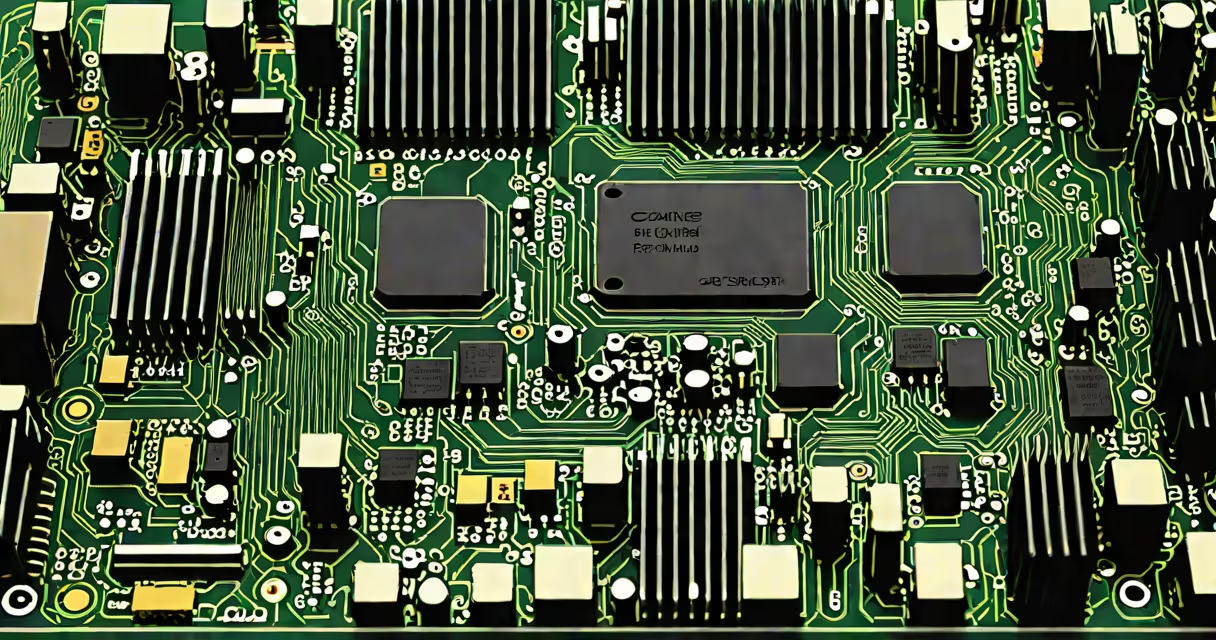
64GB RAM for gaming provides excess capacity for multitasking and future-proofing, though most modern games run fine on 16GB. High-end workstations and streamers benefit most from this upgrade.
RAM stores active game data and applications for quick access. While 16GB covers most titles, 64GB allows running multiple heavy programs simultaneously-like streaming software, video editing tools, or background apps-without performance drops. Games themselves rarely use more than 16GB, even in demanding scenarios.
| Type | Speed (MHz) | Latency (CL) | Use Case |
|---|---|---|---|
| DDR4 | 2666-3200 | 16-19 | Budget builds, mid-range performance |
| DDR5 | 4800-6000 | 30-40 | High-end builds, future-proofing |
DDR5 offers higher speeds and lower power consumption but costs more. DDR4 remains a solid choice for budget-conscious builders.
Many assume 64GB RAM directly improves in-game FPS, but CPU and GPU limitations usually cap performance gains. Instead, think of it as a buffer for background tasks. Another myth is that 64GB is overkill for all users-while true for casual gamers, professionals find it invaluable.
I tested a 64GB DDR5 kit in a high-end build running Cyberpunk 2077, OBS, and multiple browser tabs. The system handled everything without slowdowns, proving its worth for power users.
64GB RAM for gaming is overkill for pure gameplay but excels in multitasking and professional workflows. Gamers focused solely on performance can save money with 16GB or 32GB, while streamers and content creators reap the benefits of high-capacity memory.