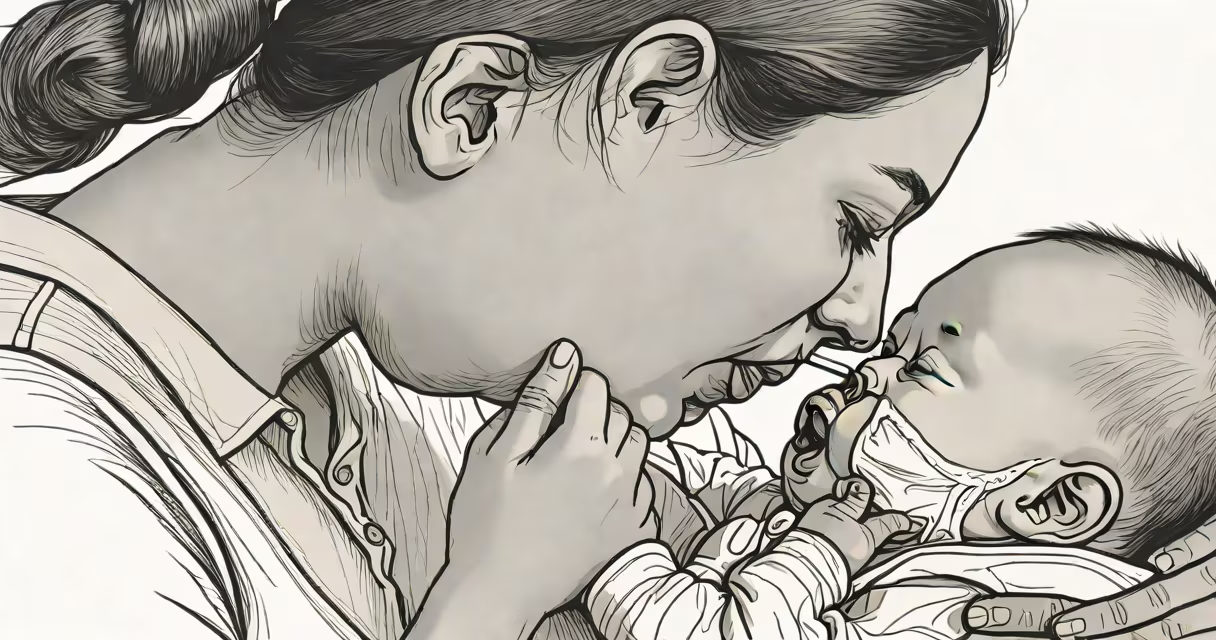
A 9-month-old with a cough and runny nose likely has a viral infection such as RSV or the common cold, which usually lasts 7-14 days. These symptoms are common in infants due to their developing immune systems and smaller airways.
Viral infections cause inflammation in the nasal passages and airways, leading to mucus production. A cough helps clear this mucus, while a runny nose results from excess fluid draining from swollen nasal tissues. Infants are particularly prone to these symptoms because their immune systems are still maturing and their airways are narrower, making congestion more severe.
The most common causes of a 9-month-old cough and runny nose are:
Consult a pediatrician if your child exhibits any of these signs:
According to the American Academy of Pediatrics, most colds resolve on their own, but severe symptoms require medical attention.
For mild cases, focus on comfort measures:
To reduce the risk of respiratory infections:
Infants exposed to siblings or daycare may experience more frequent colds due to higher exposure to viruses. Most parents find that symptoms improve within a week, though severe cases may require additional care.
If your child's symptoms persist or worsen, seek medical advice promptly. For more details on managing colds in younger infants, see what to do for a 6-month-old cough.