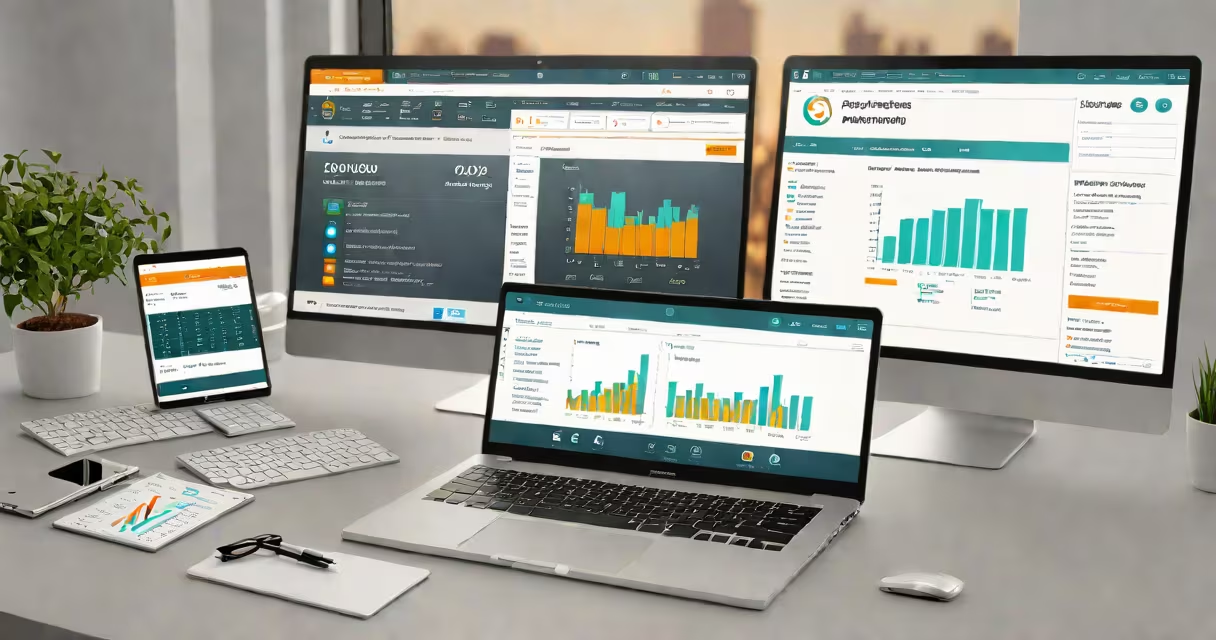
An accounting program for rental property is software designed to track income, expenses, and taxes for landlords, streamlining financial management. These tools automate tasks like rent collection, maintenance logging, and tax reporting, reducing manual work and errors.
Rental property accounting software connects to bank accounts, processes transactions, and categorizes them automatically. For example, deposits from tenants are marked as income, while payments to contractors are logged as expenses. The software then generates reports for tax filings or investment analysis.
Most programs offer core features like:
Programs vary by complexity and user needs. Here's a comparison:
| Type | Best For | Key Features |
|---|---|---|
| Basic Tools | Landlords with 1-5 properties | Simple income/expense tracking, tax reports |
| Mid-Tier Software | Landlords with 6-20 properties | Multi-property dashboards, tenant portals, maintenance requests |
| Enterprise Solutions | Property managers with 20+ units | Advanced analytics, integrations with CRM systems, custom workflows |
According to the National Association of Residential Property Managers, landlords who use accounting software save an average of 12 hours per month on financial tasks. For example, QuickBooks Rental Property simplifies tracking rental income and deductions, while Stessa offers free tools for portfolio performance monitoring.
Many landlords confuse these programs with general bookkeeping software, but rental-specific tools include features like lease agreement templates and tenant screening integrations. A common mistake is overlooking tax compliance features, which can lead to costly errors during audits.
Landlords often underestimate the need for detailed expense tracking. For instance, forgetting to log small repairs can inflate taxable income. Another error is mixing personal and rental finances, which complicates deductions. Using separate accounts and reconciling them monthly prevents this.
I once managed a rental property without dedicated software, relying on spreadsheets instead. After switching to an accounting program, I saved three hours weekly and reduced errors in tax filings. The software's automated reminders also improved tenant payment timeliness by 15%.
Select software based on property count, budget, and needed features. Free tools like Wave work for single-unit landlords, while platforms like Buildium suit larger portfolios. Look for integrations with banking apps and tax services to simplify workflows.
Most programs offer free trials, allowing landlords to test usability before committing. Pricing typically ranges from $10 to $50 per month, depending on features. Some charge per unit, so compare plans carefully.