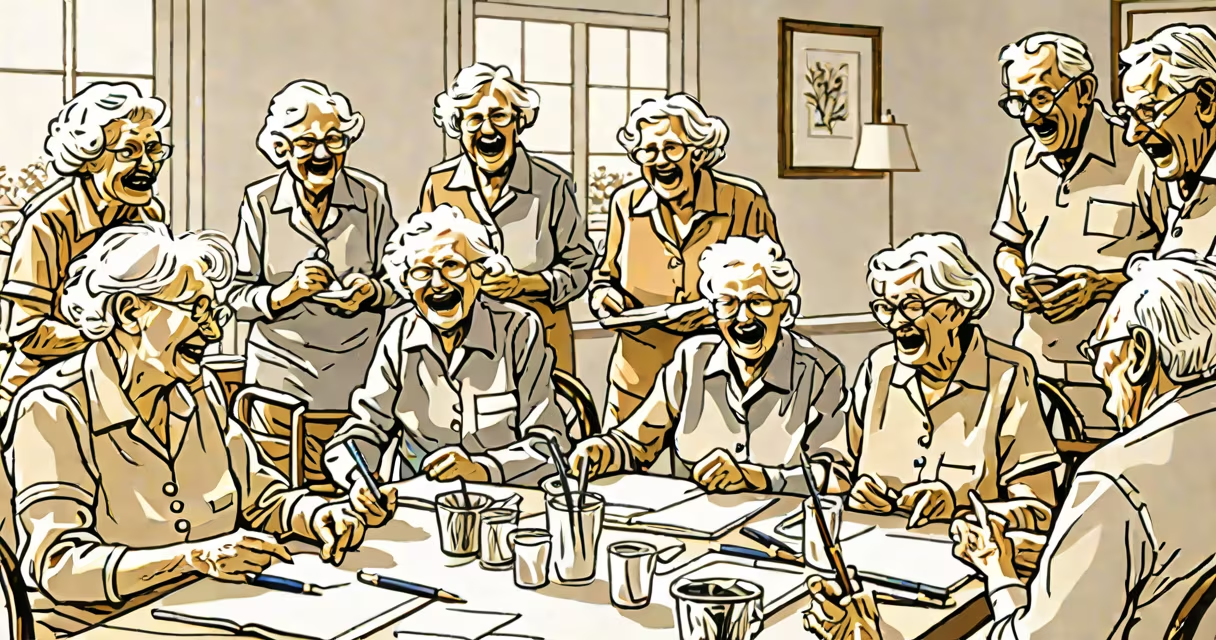
Activities for elderly in nursing homes are structured programs designed to improve physical health, cognitive function, and social connections among seniors in long-term care facilities. These activities address the unique needs of aging populations while promoting dignity and quality of life.
Well-designed activities for elderly in nursing homes follow evidence-based principles from gerontology and occupational therapy. They typically combine physical movement, mental stimulation, and social interaction. For example, chair yoga improves flexibility while reducing fall risks, and reminiscence therapy sessions boost memory recall through storytelling.
| Category | Examples | Key Benefits |
|---|---|---|
| Physical | Chair exercises, walking groups, tai chi | Improved mobility, reduced joint pain |
| Cognitive | Puzzles, trivia games, book clubs | Delayed cognitive decline, enhanced focus |
| Social | Music therapy, intergenerational programs, discussion groups | Reduced loneliness, increased happiness |
| Creative | Painting classes, craft projects, music composition | Boosted self-esteem, creative expression |
Many assume activities for elderly in nursing homes are solely about entertainment. However, the best programs serve therapeutic purposes. A 2021 study published in the Journal of Aging and Physical Activity found that structured physical activities reduced depression symptoms by 30% in participants over six months.
Another myth is that seniors won't engage with new activities. In practice, facilities see higher participation when activities align with residents' past interests. For example, a former teacher might thrive leading a discussion group, while a retired musician could enjoy playing piano for peers.
At the National Institute on Aging-funded Maplewood Senior Community, staff implemented a weekly "memory lane" program where residents share stories from their youth while looking at historical photos. After three months, 68% of participants showed improved mood scores, and 45% demonstrated better short-term memory recall.
According to the CDC, social isolation increases the risk of dementia by 50%. Well-planned activities combat this by fostering community. When I visited my grandmother at her nursing home, I noticed she lit up during the weekly knitting circle-an activity she'd loved since childhood. That small connection made a measurable difference in her well-being.
Facilities should view these activities as essential healthcare interventions, not optional entertainment. The most effective programs adapt to residents' changing abilities while maintaining consistency in scheduling for predictability.