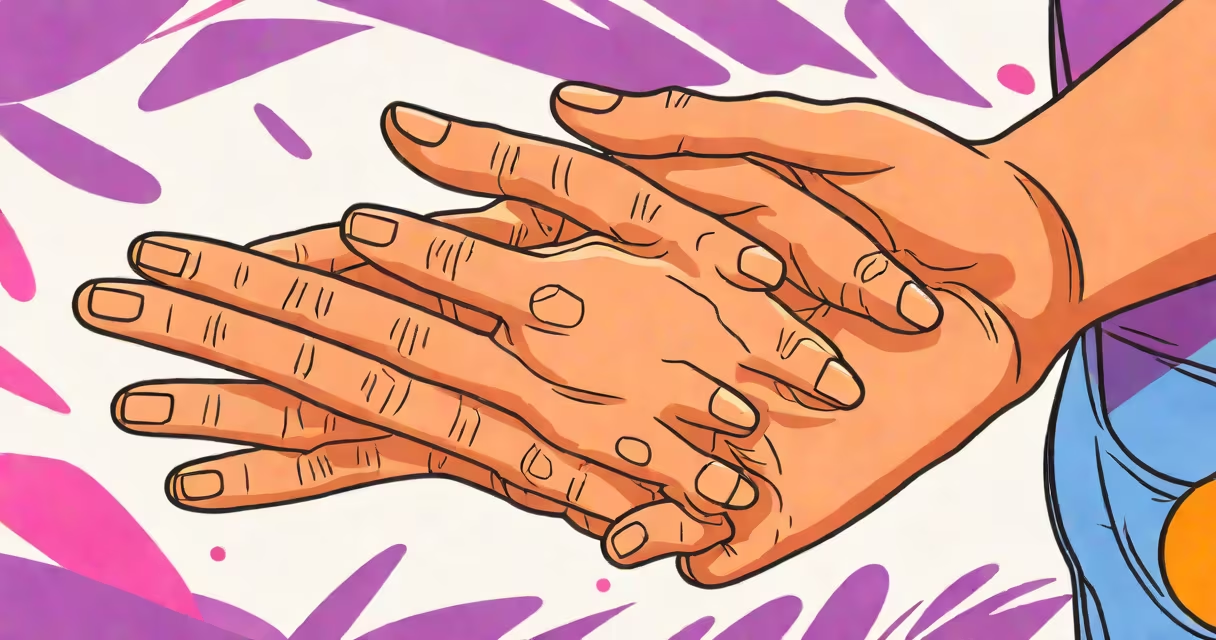
Aches and pains in joints and muscles refer to discomfort caused by inflammation, injury, or overuse. These sensations range from mild soreness to sharp, debilitating pain.
Joint and muscle pain occurs when tissues become inflamed due to injury, strain, or disease. Nerves in these areas send pain signals to the brain, creating sensations like stiffness, tenderness, or throbbing.
| Type | Common Causes | Duration |
|---|---|---|
| Acute Pain | Injury, overuse, sudden trauma | Days to weeks |
| Chronic Pain | Arthritis, fibromyalgia, long-term conditions | Months to years |
Muscle pain often results from overexertion, poor posture, or dehydration. Joint pain frequently stems from arthritis, bursitis, or tendinitis. Conditions like rheumatoid arthritis or lupus can cause widespread joint and muscle discomfort.
According to the Arthritis Foundation, over 54 million adults in the U.S. experience joint pain regularly. Muscle pain is common among athletes, older adults, and those with sedentary lifestyles.
Many people assume joint and muscle pain is purely age-related. While aging contributes, lifestyle factors like diet, exercise, and stress play significant roles. Another myth is that pain always requires medication-gentle movement and proper hydration often alleviate mild discomfort.
After a weekend of gardening, Sarah noticed stiffness in her knees and lower back. She attributed it to overuse and applied ice packs, then heat therapy. By stretching daily and using proper lifting techniques, her pain resolved within a week. However, if the pain persisted or worsened, consulting a doctor would be necessary.
For persistent or severe aches and pains in joints and muscles, consult a healthcare provider. Early diagnosis can prevent long-term damage. Learn more about managing muscle and joint pain effectively.