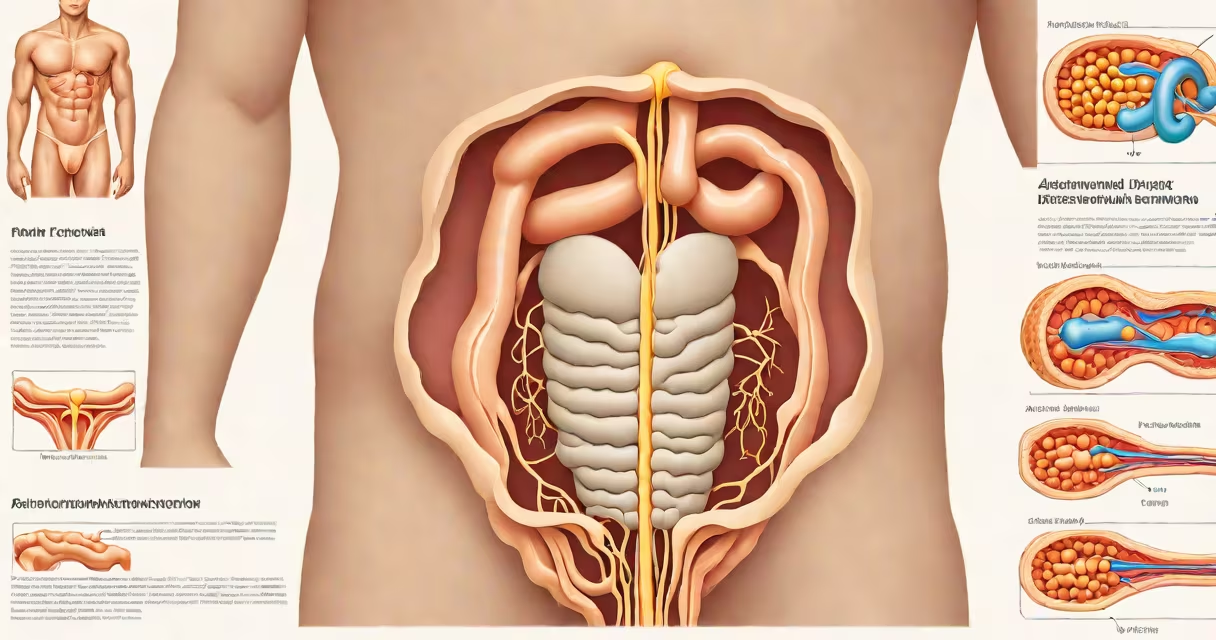
Abdominal distention and pain refer to swelling or bloating in the belly area accompanied by discomfort or aching sensations. This combination often indicates digestive system dysfunction.
The abdomen expands when gas, fluid, or solid material accumulates. Pain occurs when organs stretch, muscles spasm, or nerves signal irritation. Common triggers include overeating, food intolerances, or constipation.
| Type | Characteristics | Common Causes |
|---|---|---|
| Gas-related distention | Temporary, fluctuating swelling | Carbonated drinks, chewing gum, swallowing air |
| Fluid accumulation | Persistent swelling, may pit when pressed | Liver disease, heart failure, kidney problems |
| Solid mass | Lumpy, fixed swelling | Tumors, enlarged organs, pregnancy |
Most cases originate in the small intestine or colon. The small intestine absorbs nutrients but can become blocked by scar tissue or hernias. The colon moves waste but may become sluggish due to poor diet or medication side effects.
Many assume all distention results from overeating. While possible, persistent swelling often signals serious conditions like ascites (fluid in the abdomen) or ovarian cysts. A 2021 study in Gastroenterology found 30% of patients with unexplained bloating had small intestinal bacterial overgrowth.
Consider Sarah, who experienced sudden abdominal distention and cramping after a vacation. She initially blamed spicy food but noticed symptoms persisted for days. A doctor diagnosed viral gastroenteritis and prescribed probiotics. Sarah's case illustrates how temporary infections can disrupt digestion long after acute symptoms fade.
I once helped a friend track their symptoms using a food diary. They discovered gluten sensitivity caused recurring bloating, which improved after switching to gluten-free products.
Consult a doctor if:
These may indicate conditions requiring immediate treatment, such as appendicitis or bowel obstruction.