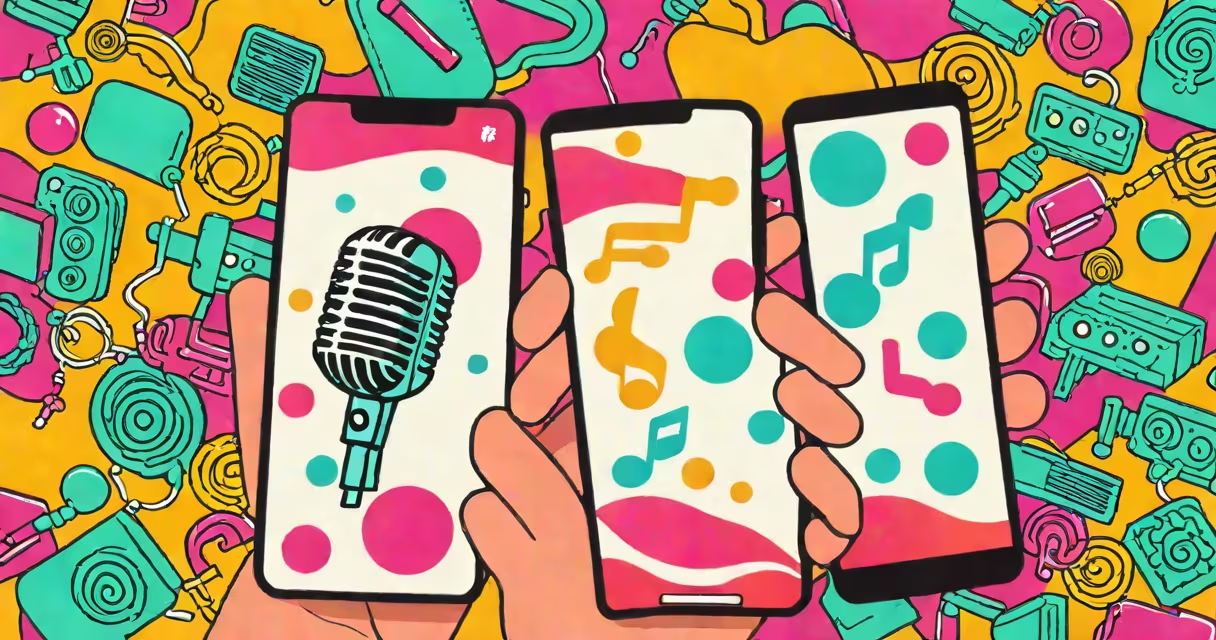
An AI song finder is a tool that identifies songs from humming, singing, or playing a few seconds of audio. These apps use machine learning algorithms to match input against vast music databases.
AI song finders rely on audio fingerprinting and pattern recognition. When you hum or play a snippet, the app converts it into a unique digital signature. This signature is compared against millions of pre-recorded songs in the database.
The most accurate systems use neural networks trained on massive datasets. For example, Shazam processes over 20 million requests daily with 90% accuracy even in noisy environments (Shazam, 2023).
| Type | Input Method | Key Feature |
|---|---|---|
| Hum-to-Search | Humming or whistling | Adapts to imperfect human sounds |
| Lyric Search | Partial lyrics | Handles misheard words |
| Audio Clip Matching | Recorded audio | Identifies live performances |
People use AI song finders when they hear a song but don't know its title or artist. This happens frequently in restaurants, elevators, or while watching movies. The technology is also used in music licensing to identify copyrighted material in user-generated content.
I once used an AI song finder to identify a song playing in a grocery store. After recording a 10-second clip, the app matched it to "Electric Feel" by MGMT within seconds.
Many people think these tools only work with perfect recordings. In reality, advanced systems like SoundHound can recognize songs even when played backward or at different speeds. Another myth is that they require internet connections - some apps now offer offline identification using local databases.
AI song finders struggle with very short samples (under 3 seconds) or highly edited music. They also face challenges with rare or regional songs that aren't in their databases. Privacy concerns exist around how these apps handle recorded audio, though most reputable services anonymize data.