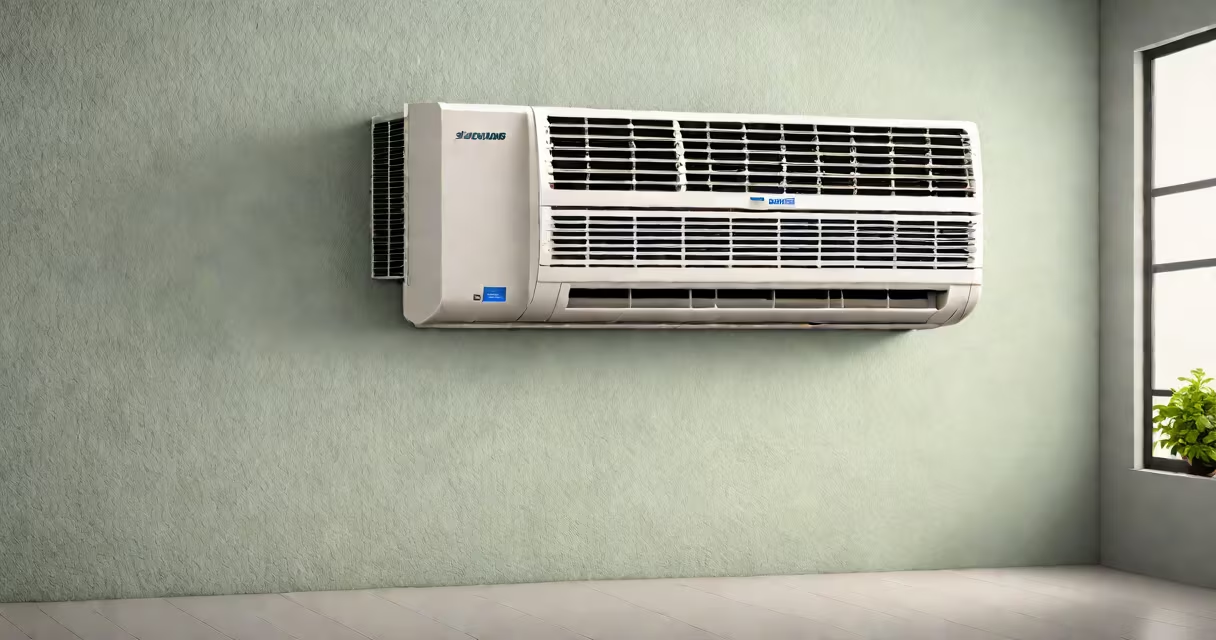
An air conditioner rated at 28000 BTU (British Thermal Units) aims to cool large spaces between 600 and 1,500 square feet, such as master bedrooms, living rooms, or small offices. These units provide useful cooling for areas with high heat loads or poor insulation.
Like all air conditioners, a 28000 BTU unit removes heat from indoor air and expels it outside. The system includes an outdoor compressor/condenser unit and an indoor air handler. Refrigerant circulates through coils, absorbing indoor heat and releasing it outdoors.
For example, a 28000 BTU air conditioner can lower the temperature in a 1,200-square-foot apartment by 15°F within 30 minutes on a hot day. The higher BTU rating means faster cooling for larger areas compared to smaller units like a 7500 BTU air conditioner.
| Type | Best For | Key Feature |
|---|---|---|
| Window Unit | Single large rooms | Portable installation, no permanent mounting |
| Split System | Multiple rooms or open floor plans | Quieter operation, separate indoor/outdoor units |
| Ductless Mini-Split | Add-ons to existing HVAC systems | Zoned cooling, energy-efficient |
These units excel in spaces with high heat gain, such as sunrooms, home theaters, or commercial areas with frequent foot traffic. They're also ideal for regions with extreme summer temperatures, where smaller units struggle to maintain comfort.
A 28000 BTU air conditioner outperforms a 14000 BTU air conditioner in open-concept homes or rooms with vaulted ceilings. However, oversizing can lead to humidity issues, so proper sizing is critical.
Another myth is that BTU ratings are fixed for all climates. In reality, humid regions require higher BTU ratings to handle both temperature and moisture removal effectively.
I installed a 28000 BTU split-system air conditioner in a 1,300-square-foot office with west-facing windows. The unit maintained a consistent 72°F even during peak afternoon heat, whereas a smaller unit had previously struggled to cool the space evenly.