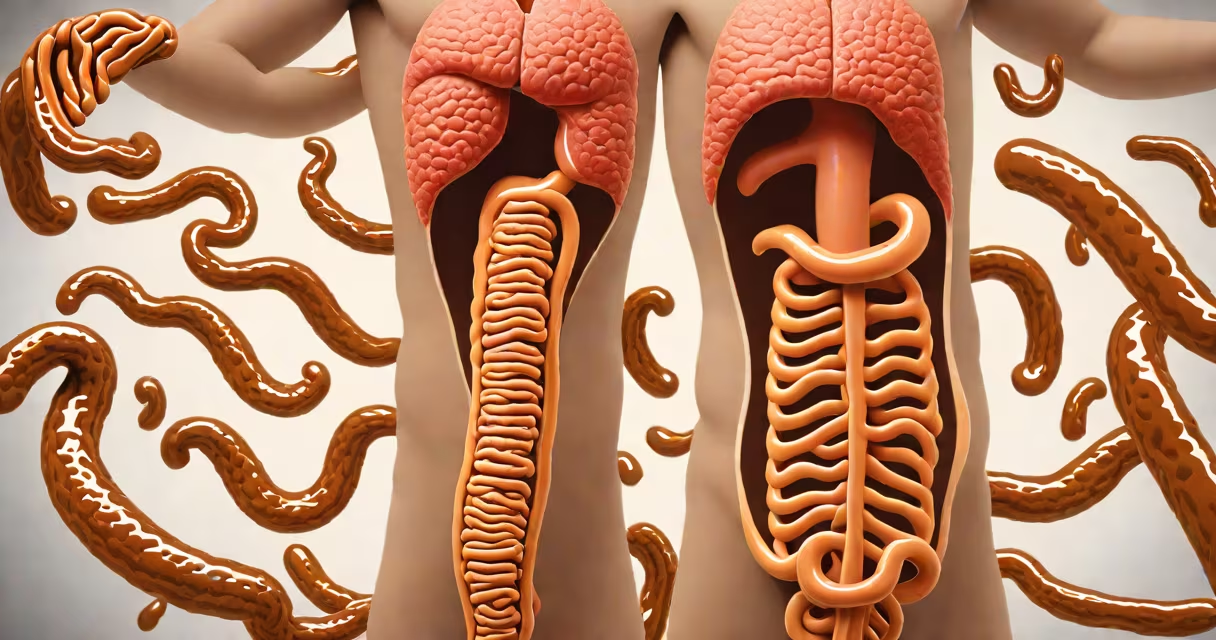
All liquid poop occurs when stool passes through the digestive tract too quickly, preventing water absorption and leaving it watery. This typically indicates diarrhea, which can result from infections, dietary changes, or underlying conditions.
Normally, the colon absorbs water from food waste, forming solid stool. However, when something disrupts this process-such as inflammation, infection, or increased motility-the colon can't absorb enough water, resulting in loose or liquid stools. The average adult produces about 100-300 grams of stool daily, but during diarrhea, this can increase to 200-2,000 grams.
The most common causes of all liquid poop include:
While occasional liquid poop may not be concerning, persistent diarrhea (lasting more than two days) or symptoms like blood in stool, severe pain, or dehydration require medical attention. Dehydration from prolonged diarrhea can be dangerous, especially in children and older adults.
Most cases resolve within a few days with rest, hydration, and a bland diet. However, if symptoms persist or worsen, consulting a doctor is essential to rule out serious conditions like celiac disease or Crohn's disease.
Many people assume all liquid poop is simply "bad food" passing through. While diet plays a role, persistent diarrhea often signals an underlying issue. Another misconception is that liquid stool is always caused by infection-while infections are common, other factors like stress, medications, or chronic illnesses can also contribute.
For example, stress-induced diarrhea (often called "nervous stomach") occurs because the brain and gut are connected via the gut-brain axis. When stressed, the brain can trigger faster gut contractions, leading to liquid stools even without infection.
To prevent liquid poop, maintain a balanced diet, stay hydrated, and practice good hygiene to avoid infections. Probiotics may help restore gut bacteria balance after antibiotic use. If diarrhea persists, over-the-counter medications like loperamide (Imodium) can slow intestinal movement, but they shouldn't be used long-term without medical advice.