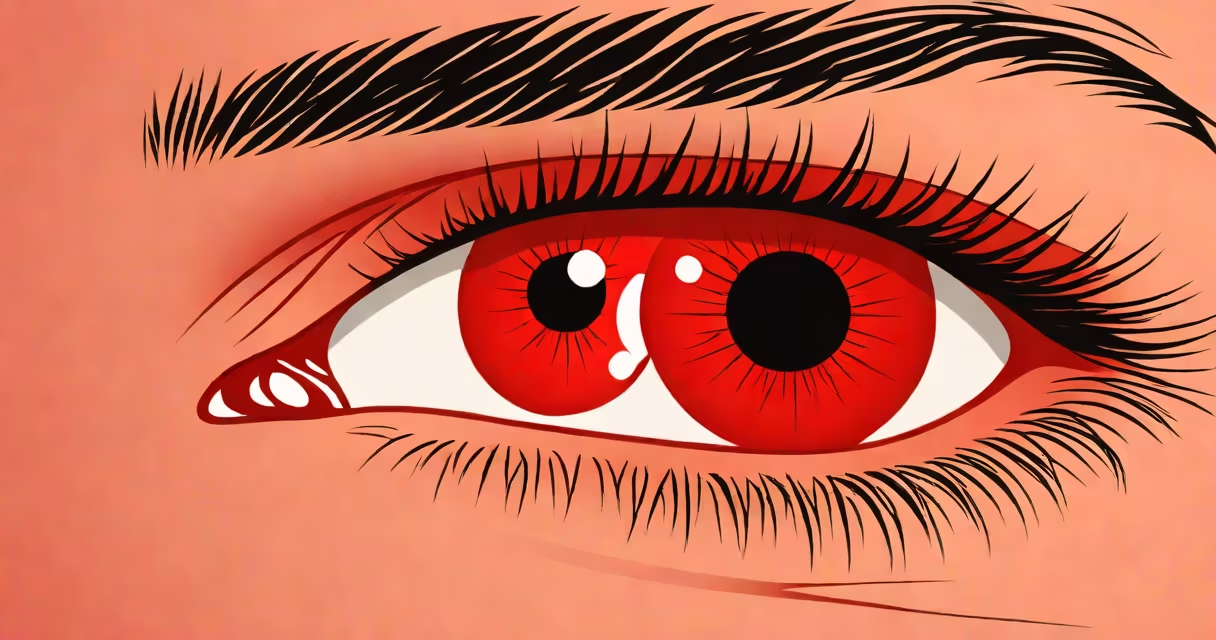
Allergic conjunctivitis signs are red, itchy eyes caused by an allergic reaction to irritants like pollen or pet dander. These symptoms occur when allergens trigger histamine release, inflaming the conjunctiva-the membrane covering the whites of your eyes and inner eyelids.
When allergens contact the eye's surface, immune cells release histamines. These chemicals cause blood vessels in the conjunctiva to dilate, leading to redness, and stimulate nerve endings, causing itching. The body also produces more tears as a protective response, resulting in watery eyes.
Allergic conjunctivitis falls into two main categories:
Less common forms include giant papillary conjunctivitis (often linked to contact lens wear) and vernal or atopic keratoconjunctivitis (chronic, severe cases).
Many people mistake allergic conjunctivitis for pink eye (viral conjunctivitis). Unlike allergies, viral conjunctivitis often causes discharge, crusting, and affects one eye first. Bacterial conjunctivitis may produce yellow or green pus, while allergies typically involve itching and bilateral redness.
During spring, my eyes often turn bloodshot and itchy after spending time outdoors. Over-the-counter antihistamine eye drops, like ketotifen, provide quick relief. For persistent cases, consulting an allergist for immunotherapy (allergy shots) can reduce long-term sensitivity.
Mild cases respond well to artificial tears or antihistamine eye drops. Decongestant eye drops (like naphazoline) relieve redness but may worsen symptoms with prolonged use. For severe reactions, oral antihistamines or prescription eye drops (such as mast cell stabilizers) help. Avoid rubbing your eyes, as this worsens irritation.