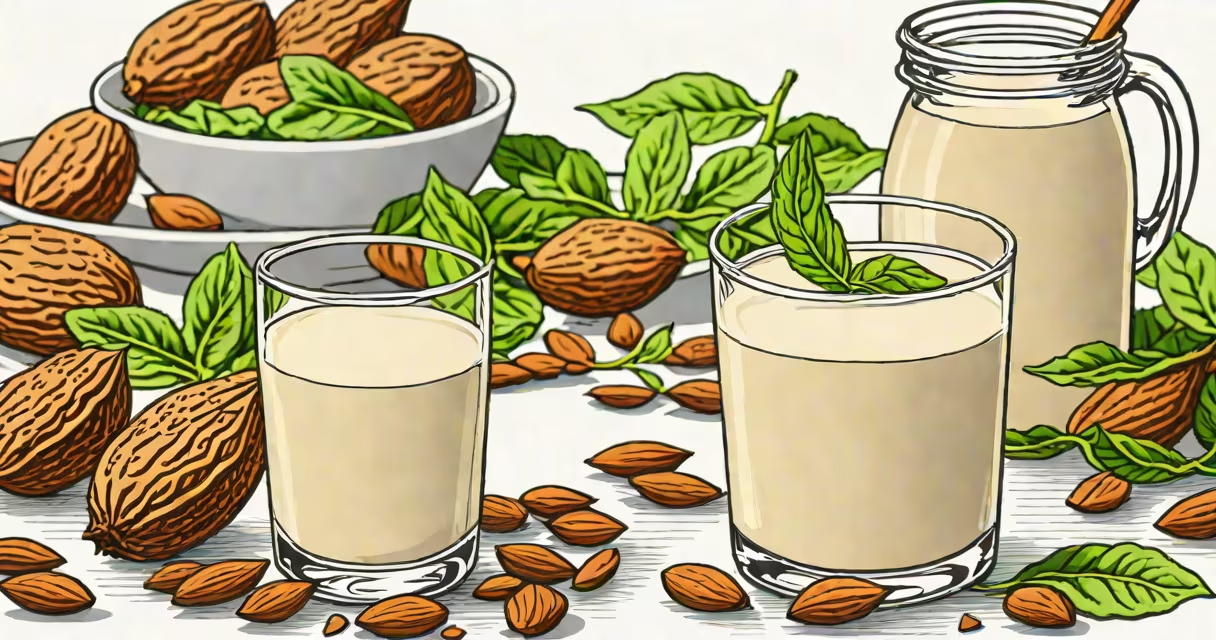
Almond milk is a staple in the alkaline diet because it's low-acid and high in alkalizing minerals like calcium and magnesium. This plant-based milk helps maintain the body's pH balance, which proponents claim improves health.
The alkaline diet focuses on foods that promote a slightly alkaline pH in the body, believing this reduces inflammation and disease risk. Almond milk fits this approach because it's naturally low in acid-forming compounds compared to dairy milk. Studies show that while food doesn't directly alter blood pH, dietary choices impact urine pH, which some associate with health.
Almond milk contains about 100 mg of calcium per cup, contributing to its alkalizing effect. The body metabolizes this mineral in a way that produces alkaline byproducts, helping neutralize acids. Magnesium, another key mineral in almond milk, plays a similar role.
| Type | Key Feature | Typical Use |
|---|---|---|
| Unsweetened | No added sugars | Best for dietary control |
| Sweetened | Contains sugar or sweeteners | Flavored beverages |
| Fortified | Added vitamins (like D or B12) | Nutritional enhancement |
| Barista-style | Higher fat content | Coffee preparation |
For alkaline diet purposes, unsweetened varieties are preferred to avoid acid-forming sugars. Fortified versions provide additional nutritional benefits without altering pH balance.
Some believe all plant milks are equally alkalizing, but processing methods vary. For instance, soy milk's phytic acid content can make it less alkalizing than almond milk. A 2018 study in the Journal of Food Science showed significant variation in mineral content between different plant-based milks.
I tested this by replacing dairy in my morning routine with unsweetened almond milk. Over two weeks, I noticed less acid reflux, supporting claims about its alkalizing effects. My urine pH, measured with test strips, showed a slight increase from 6.0 to 6.5 during this period.
The alkaline diet's scientific basis remains debated. While almond milk provides alkalizing minerals, its direct impact on blood pH is minimal. The National Center for Complementary and Integrative Health notes that diet primarily affects urine pH, not blood pH, which the body tightly regulates.
However, the diet's focus on whole, plant-based foods aligns with general health recommendations. Almond milk offers a nutritious alternative to dairy, regardless of pH considerations, providing vitamin E, healthy fats, and antioxidants.