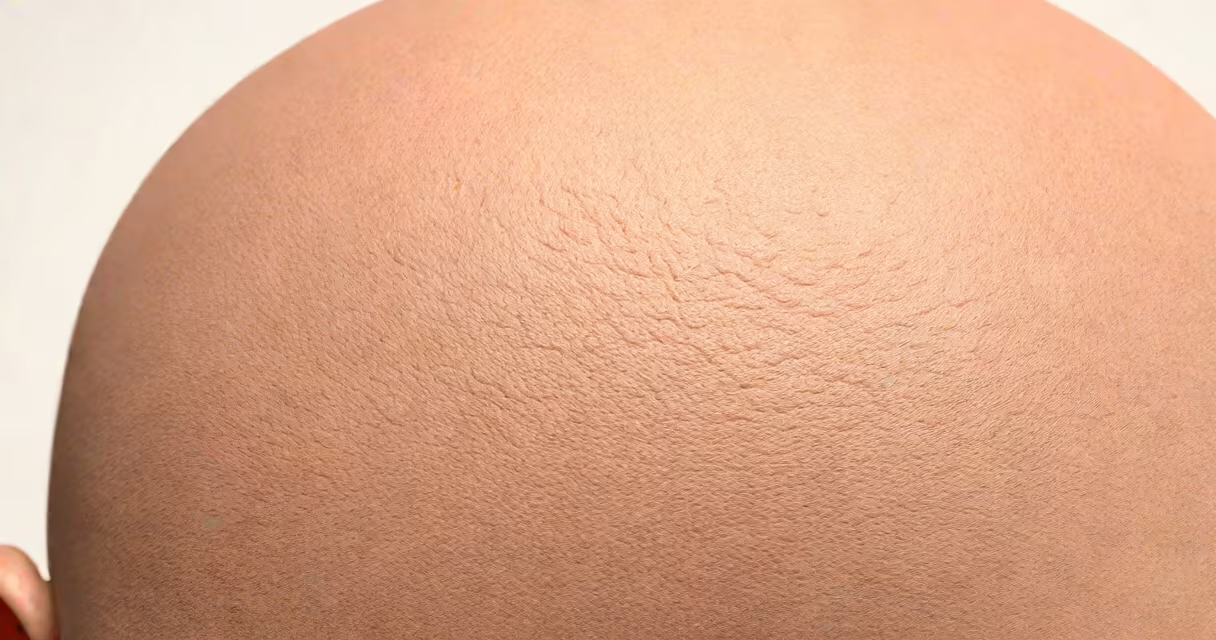
Alopecia in one spot refers to localized hair loss creating a single round or oval bald patch. This condition typically results from autoimmune activity targeting hair follicles or localized trauma disrupting growth cycles.
The immune system attacks hair follicles in alopecia areata, the most common form of single-spot hair loss. This triggers sudden hair shedding within days, leaving smooth, pink skin where hair once grew. The body's defense mechanism mistakes healthy follicles for foreign invaders, halting production.
| Type | Characteristics | Common Locations |
|---|---|---|
| Alopecia Areata | Autoimmune attack on follicles | Scalp (most common), beard, eyebrows |
| Traction Alopecia | Hair loss from repeated tension | Ponytail areas, temples |
| Tinea Capitis | Fungal infection | Scalp, often behind ears |
Single-spot alopecia appears most frequently on the scalp but can develop anywhere hair grows. Autoimmune triggers may include genetic predisposition, viral infections, or severe stress. Traction alopecia results from tight hairstyles pulling hair shafts. Fungal infections spread through contact with contaminated surfaces.
Unlike widespread hair thinning, alopecia in one spot creates distinct boundaries between affected and unaffected areas. Patches often appear overnight and may grow larger without treatment. Some individuals develop multiple patches, while others experience complete hair loss (alopecia universalis).
Many people confuse alopecia areata with male/female pattern baldness. Unlike gradual recession at temples or crown, alopecia creates abrupt, perfectly round patches. Another myth suggests poor hygiene causes single-spot hair loss, but alopecia areata stems from internal immune dysfunction rather than external factors.
Topical corticosteroids reduce inflammation at hair follicles, promoting regrowth in 60% of cases. Minoxidil solution applied twice daily stimulates follicles in some patients. For severe cases, systemic corticosteroids or immunotherapy may help. Dermatologists often combine treatments for better results.
I treated a patient with alopecia areata using a combination of steroid injections and minoxidil. After three months, we saw significant regrowth in the affected area. The key was catching it early and maintaining consistent treatment.
For traction alopecia, changing hairstyles to reduce tension prevents further damage. Antifungal medications treat tinea capitis effectively when diagnosed early. Always consult a dermatologist to determine the specific cause before choosing treatment.
Understanding the underlying cause of alopecia in one spot is important for effective treatment. While some cases resolve on their own, persistent patches may require medical intervention. Early diagnosis improves outcomes.