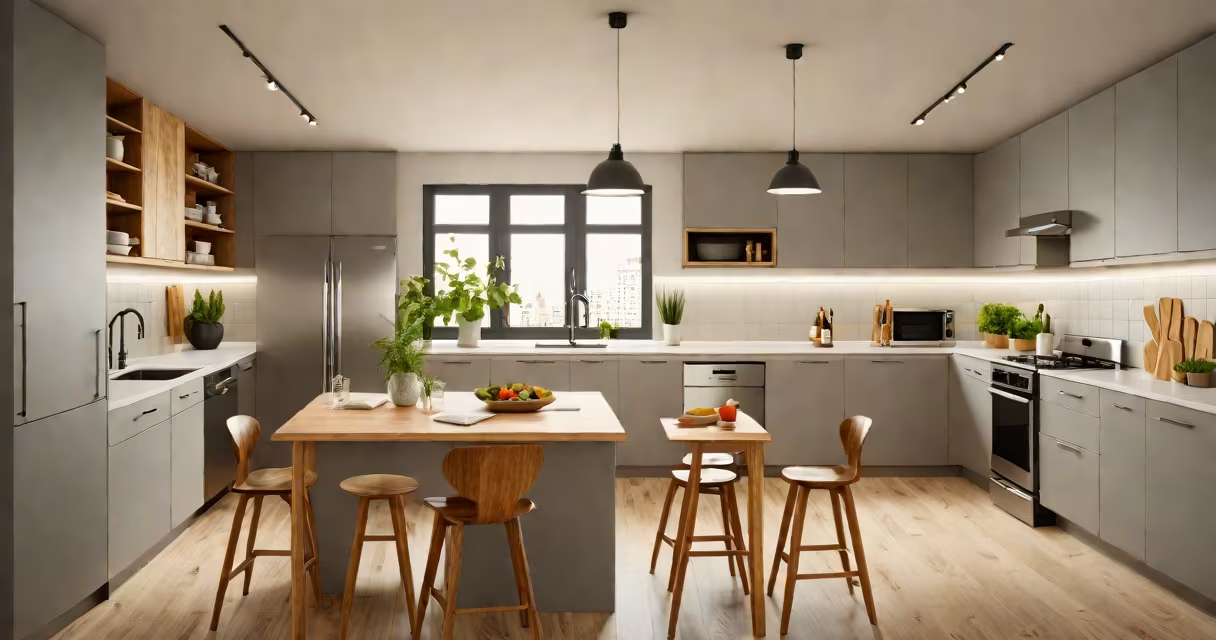
Alternative real estate refers to non-traditional housing options designed to meet evolving lifestyle needs, such as co-living spaces, micro-apartments, and tiny homes. These properties offer flexible, affordable, and community-focused living arrangements.
Unlike conventional single-family homes or apartments, alternative real estate prioritizes efficiency and adaptability. For example, co-living spaces provide private bedrooms with shared common areas, reducing costs while fostering social interaction. Micro-apartments maximize small footprints with clever design, often including built-in furniture and multi-functional spaces.
| Type | Description | Average Size |
|---|---|---|
| Co-living Spaces | Private rooms with shared kitchens, living areas, and amenities | 200-400 sq ft per bedroom |
| Micro-apartments | Self-contained units with compact layouts and smart storage | 150-300 sq ft |
| Tiny Homes | Standalone dwellings, often on wheels, emphasizing minimalism | 100-400 sq ft |
| Accessory Dwelling Units (ADUs) | Secondary living spaces on existing property, like garage conversions | 300-600 sq ft |
Urban areas with high housing costs, like Bellevue, Washington, and Bellingham, Washington, see growing demand for alternative real estate. These solutions address affordability, sustainability, and changing work patterns. For instance, remote workers may prefer co-living spaces in cities for networking opportunities while keeping expenses low.
A 2023 study by the Urban Land Institute found that 65% of millennials prefer smaller, community-oriented living spaces over traditional homes. This trend reflects a shift toward experiences over ownership.
Many assume alternative real estate lacks privacy or comfort. However, well-designed co-living spaces and micro-apartments often include soundproofing, ergonomic furniture, and smart home features. For example, Common's co-living buildings in New York offer private bedrooms with en-set bathrooms and high-speed internet.
Another myth is that these options are temporary. In reality, many residents stay long-term, attracted by the sense of community and lower maintenance burdens.
I visited a micro-apartment complex in Bellevue, Washington, where units averaged 250 sq ft but included loft beds, wall-mounted desks, and hidden storage. Residents appreciated the walkability to downtown and the built-in social events hosted by the property manager.
Alternative real estate provides new solutions to modern housing challenges. From co-living spaces to tiny homes, these options balance affordability, sustainability, and community. As urbanization and remote work continue to grow, expect these trends to shape the future of living arrangements.