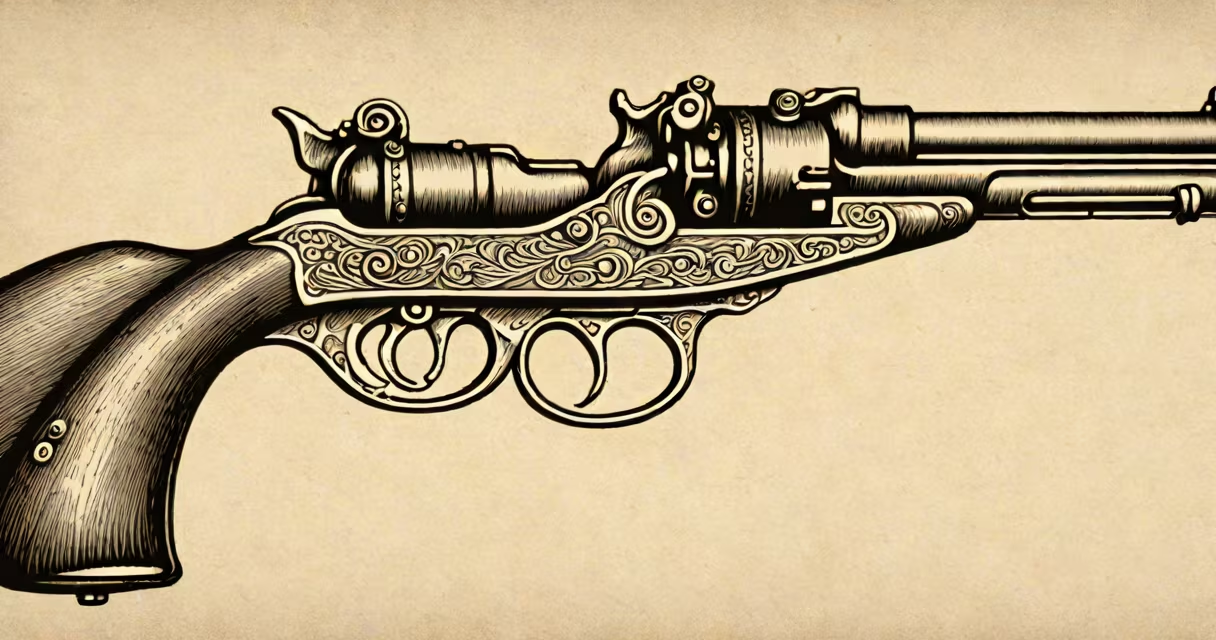
The Second Amendment to the U.S. Constitution states, "A well regulated Militia, being necessary to the security of a free State, the right of the people to keep and bear Arms, shall not be infringed." This clause protects the right of individuals to own and carry firearms.
In practice, "bear arms" means carrying weapons openly or concealed. The Supreme Court affirmed this interpretation in District of Columbia v. Heller (2008), ruling that the amendment protects an individual's right to possess firearms for traditionally lawful purposes, including self-defense. However, this right is not unlimited.
The amendment consists of two clauses: the prefatory clause ("A well regulated Militia...") and the operative clause ("the right of the people to keep and bear Arms..."). The prefatory clause suggests the amendment's purpose is tied to militia service, while the operative clause broadens the right to all people.
The Second Amendment protects ownership of common firearms used for lawful purposes. These typically include:
| Type | Common Uses |
|---|---|
| Handguns | Self-defense, target shooting |
| Rifles | Hunting, sport shooting |
| Shotguns | Hunting, home defense |
Some states restrict certain types of firearms, such as assault weapons or high-capacity magazines, based on public safety concerns.
Individuals exercise their Second Amendment rights for various purposes, including self-defense, hunting, and recreational shooting. Many Americans own firearms to protect their homes and families, while others participate in competitive shooting sports or enjoy hunting as a tradition.
States regulate firearm ownership through background checks, waiting periods, and permits. Some require licenses to carry concealed weapons, while others allow open carry without restrictions. These regulations aim to balance individual rights with public safety.
Another myth is that the amendment protects all types of weapons without limitation. In reality, courts have upheld restrictions on dangerous or unusual weapons, such as machine guns or explosives, which are not commonly used for lawful purposes.
I once visited a historical reenactment where participants demonstrated 18th-century muskets. The event highlighted how firearms have evolved since the amendment's ratification in 1791, raising questions about its application to modern weapons.
According to the Pew Research Center, about 30% of U.S. adults personally own a gun, and another 11% live with someone who does. This widespread ownership underscores the amendment's enduring relevance in American life.