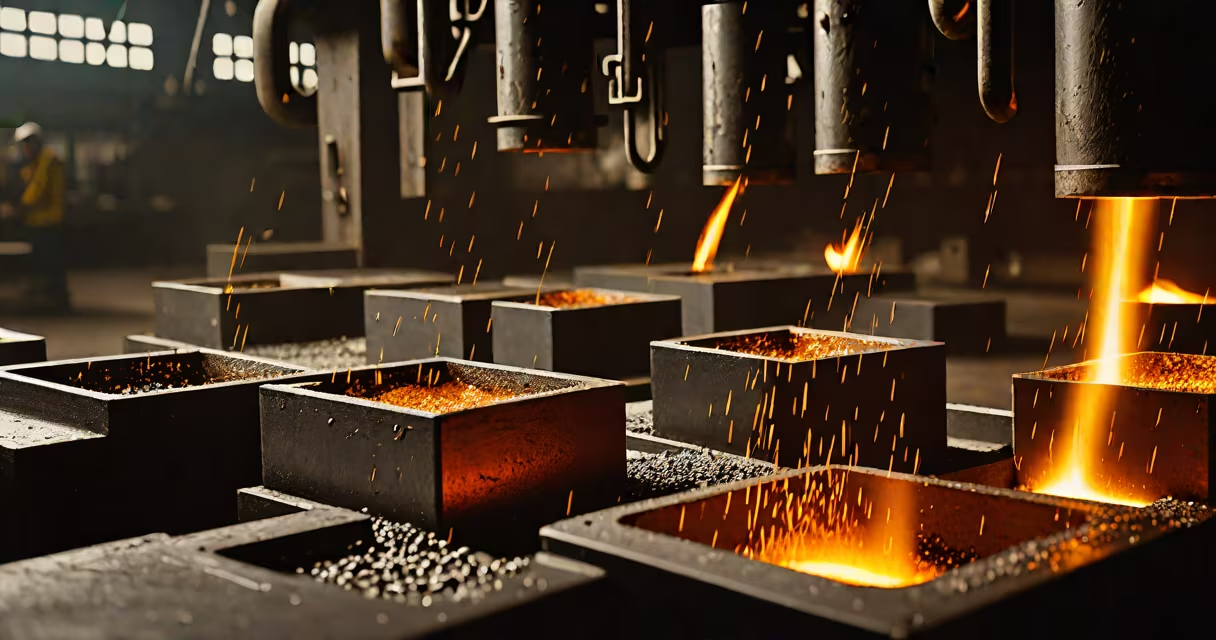
America steel stock refers to publicly traded shares in U.S.-based companies that produce steel, a fundamental material for construction, automotive manufacturing, and infrastructure projects. These stocks provide investors with exposure to the industrial sector and its economic cycles.
Steel companies generate revenue by selling raw steel products to manufacturers, construction firms, and other industrial users. Their stock prices fluctuate based on factors like global demand, raw material costs (iron ore, coal), and competition from international producers. Many steel stocks pay dividends, offering income alongside potential price appreciation.
U.S. steel producers fall into three categories:
| Type | Examples | Key Characteristics |
|---|---|---|
| Integrated Producers | United States Steel Corporation (NYSE: X) | Own both mines and mills, producing steel from scratch |
| Mini Mills | Nucor Corporation (NYSE: NUE) | Use scrap metal to produce steel, lower capital requirements |
| Specialty Producers | AK Steel Holding Corporation (NYSE: AKS) | Focus on niche markets like electrical steel or stainless alloys |
Steel stocks attract investors seeking exposure to industrial growth cycles, particularly during periods of infrastructure spending or economic recovery. The U.S. steel industry benefits from policies like tariffs on imported steel, which protect domestic producers. For example, in 2018, the Trump administration imposed a 25% tariff on foreign steel, temporarily boosting U.S. steel stocks.
Many steel companies pay dividends, often yielding higher than the S&P 500 average. As of 2023, Nucor's dividend yield exceeds 1.5%, providing income alongside growth potential. However, steel stocks can be volatile due to their sensitivity to economic cycles and commodity prices.
Another misconception is that all steel stocks are equally cyclical. Mini mills like Nucor exhibit lower volatility than integrated producers because they rely on scrap metal rather than volatile iron ore prices.
United States Steel Corporation (NYSE: X) exemplifies an integrated producer. Its stock price typically rises when infrastructure bills pass Congress or when global steel demand increases. For instance, in early 2021, U.S. Steel's stock surged after President Biden announced a $2 trillion infrastructure plan. However, the stock declined later that year due to rising coking coal prices, which increased production costs.
Investors analyzing U.S. Steel should monitor:
By tracking these factors, investors can better anticipate U.S. Steel's stock movements and make informed decisions about buying or selling shares.