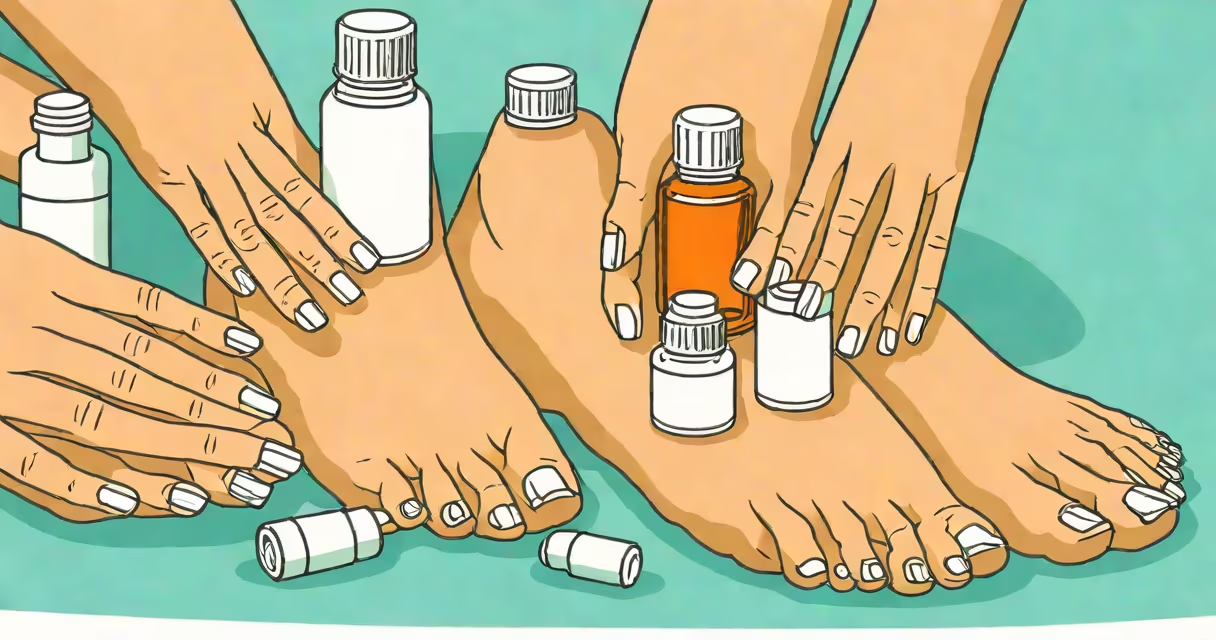
Antifungal nail support refers to products designed to treat and prevent fungal infections in fingernails and toenails. These formulations typically contain active ingredients that target the fungus directly, promoting healthier nails.
Most antifungal nail support products work by penetrating the nail plate to reach the infection beneath. Ingredients like terbinafine, clotrimazole, or undecylenic acid disrupt the cell membranes of fungi, preventing their growth and spread. Some products also include moisturizing agents to improve nail flexibility and reduce brittleness.
| Type | Key Features | Common Ingredients |
|---|---|---|
| Topical Treatments | Applied directly to the nail and surrounding skin | Terbinafine, clotrimazole, undecylenic acid |
| Oral Medications | Taken internally to fight infection systemically | Itraconazole, fluconazole |
| Nail Lacquers | Painted onto the nail, often used weekly | Ciclopirox, amorolfine |
Fungal nail infections, or onychomycosis, are common and can cause discoloration, thickening, and brittleness. Antifungal nail support is used to address these issues, often recommended by dermatologists for persistent cases. Proper foot hygiene, such as keeping nails dry and trimmed, complements treatment.
Many people confuse antifungal nail support with general nail strengthening treatments. While some products offer both benefits, true antifungal treatments specifically target fungal infections rather than just improving nail appearance. A study published in the Journal of the American Academy of Dermatology found that over-the-counter nail strengtheners without antifungal ingredients rarely resolve infections.
For instance, a person noticing white spots or yellow streaks on their toenails might start using a topical antifungal cream containing undecylenic acid. Applied daily for several weeks, the cream would help clear the infection while also moisturizing the nail to prevent further damage. If the infection persists, a dermatologist might prescribe an oral medication like terbinafine for systemic treatment.
I once helped a friend with a stubborn fungal nail infection by recommending an antifungal nail lacquer. After consistent use for three months, the discoloration faded, and the nail began to grow out healthier. This experience underscored the importance of patience and adherence to treatment protocols.