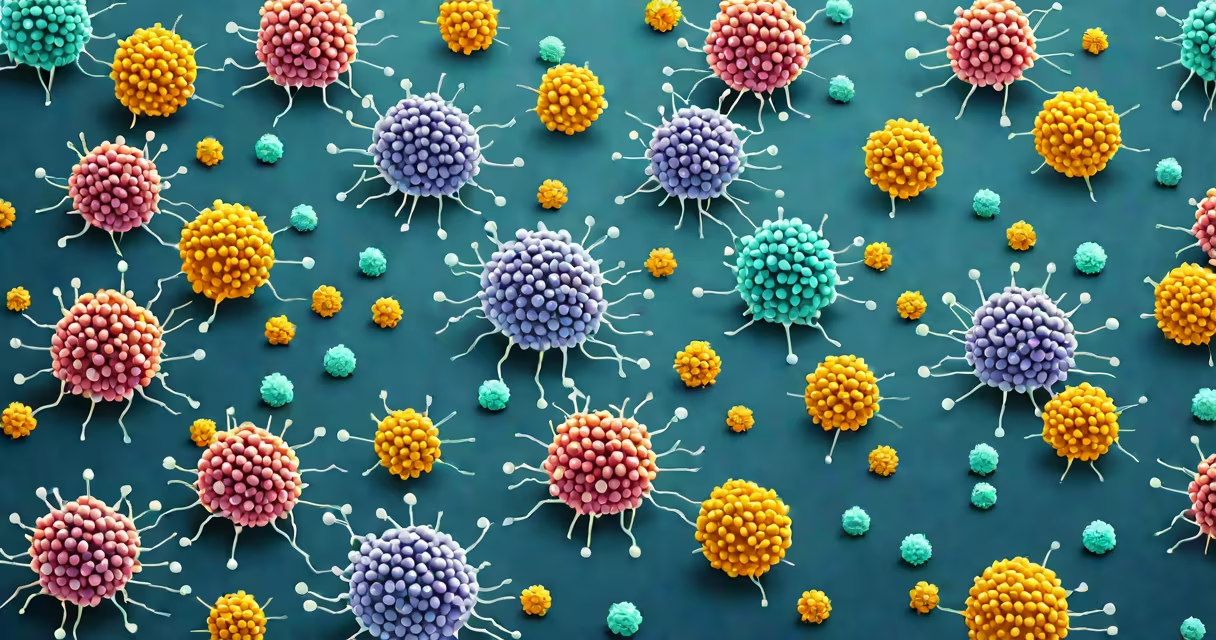
Antigens in the immune system are molecules that trigger immune responses by marking foreign substances like bacteria, viruses, or toxins. These molecules, often proteins or polysaccharides, are recognized by immune cells, which then produce antibodies to neutralize threats.
When a pathogen enters the body, its antigens bind to immune cell receptors. This binding activates immune cells, initiating a response. For example, if a flu virus infects someone, the virus's antigens prompt B cells to produce specific antibodies that target and disable the virus.
Antigens fall into several categories:
Many people confuse antigens with antibodies. Antigens are the markers on pathogens that the immune system recognizes, while antibodies are the proteins produced to neutralize those pathogens. Another common mistake is assuming all antigens come from outside the body. In reality, some originate inside the body, such as those produced by cancer cells.
Vaccines work by introducing harmless antigens from a pathogen into the body. These antigens train the immune system to recognize and fight the actual pathogen if encountered later. For instance, the COVID-19 vaccine contains antigens from the SARS-CoV-2 virus, prompting the immune system to produce antibodies against it without causing illness.
Understanding antigens is important for comprehending how vaccines and immune therapies work. By recognizing and responding to these molecular markers, the immune system protects the body from countless threats daily.