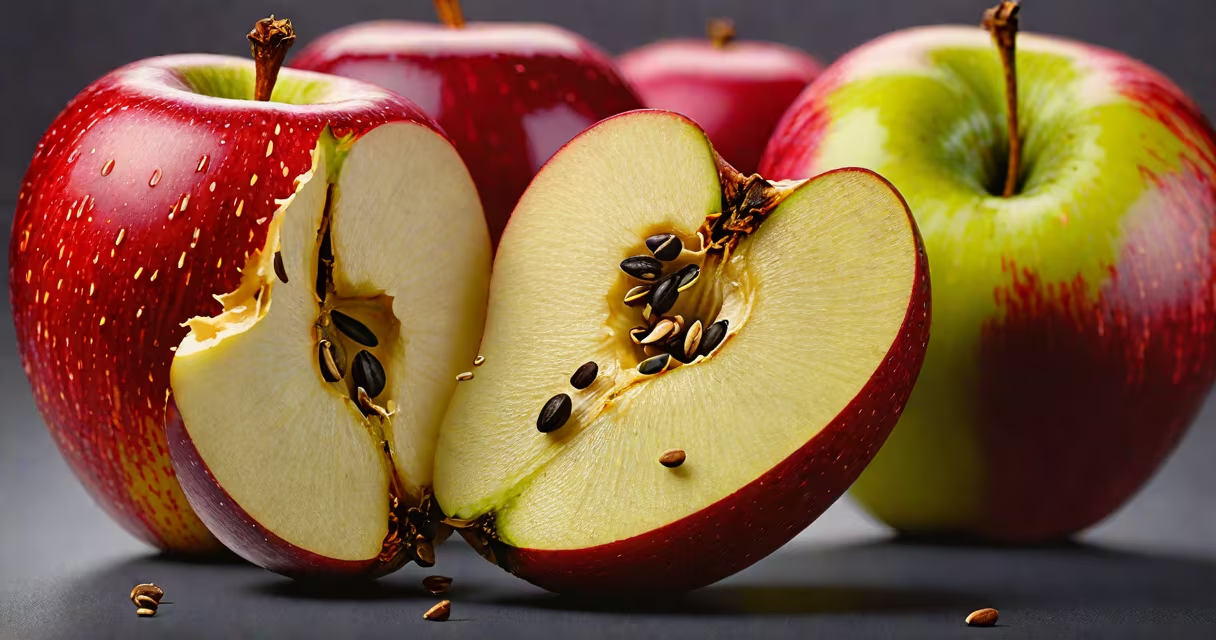
Apples may cause gas due to their high fiber and fructose content, which can ferment in the gut. This common issue affects many people, particularly those with sensitivities to certain carbohydrates.
Apples contain both soluble and insoluble fiber, which can be difficult to digest for some people. The soluble fiber, specifically pectin, ferments in the gut, producing gas as a byproduct., apples have a high fructose content, a natural sugar that can be poorly absorbed by some individuals, leading to bloating and gas.
Not all apples affect people equally. Some varieties have lower fructose content and may be easier to digest. For example, Granny Smith apples are less sweet and contain fewer carbohydrates than sweeter varieties like Fuji or Gala apples.
| Apple Variety | Fructose Content | Digestibility |
|---|---|---|
| Granny Smith | Low | Easier to digest |
| Fuji | High | Harder to digest |
| Gala | High | Harder to digest |
If apples give you gas, try peeling them before eating, as the skin contains a significant amount of insoluble fiber. You can also cook apples, which breaks down the fiber and makes them easier to digest. For example, baked apples or applesauce are gentler on the digestive system.
Another option is to consume smaller portions of apples and pair them with other foods to slow digestion. Drinking plenty of water can also help move food through your system more efficiently.
Many people assume that all fruits cause gas equally, but this isn't true. Fruits with lower fructose content, like berries, are less likely to cause gas., some believe that only high-fiber foods cause gas, but the type of fiber matters as well. Soluble fiber, found in apples, is more likely to ferment and produce gas compared to insoluble fiber.
If apples consistently cause gas, consider switching to other fruits that are easier to digest. Berries, such as blueberries and strawberries, have lower fructose content and are less likely to cause digestive discomfort. Bananas are another good option, as they are low in fructose and high in easily digestible carbohydrates.
For those who enjoy raspberries, they are generally well-tolerated and provide a good alternative to apples. However, individual tolerances vary, so it's essential to pay attention to how your body responds to different fruits.
I once had a client who loved apples but experienced significant bloating and gas after eating them. After experimenting with different varieties and preparation methods, we found that peeling and baking Granny Smith apples reduced her symptoms. This small adjustment allowed her to enjoy apples without discomfort.
Apples give me gas because of their high fiber and fructose content, which can ferment in the gut and cause bloating. Choosing lower-fructose varieties like Granny Smith, peeling the skin, and cooking the apples can help reduce gas. If you continue to experience issues, consider exploring other fruits or consulting a healthcare provider for personalized advice.