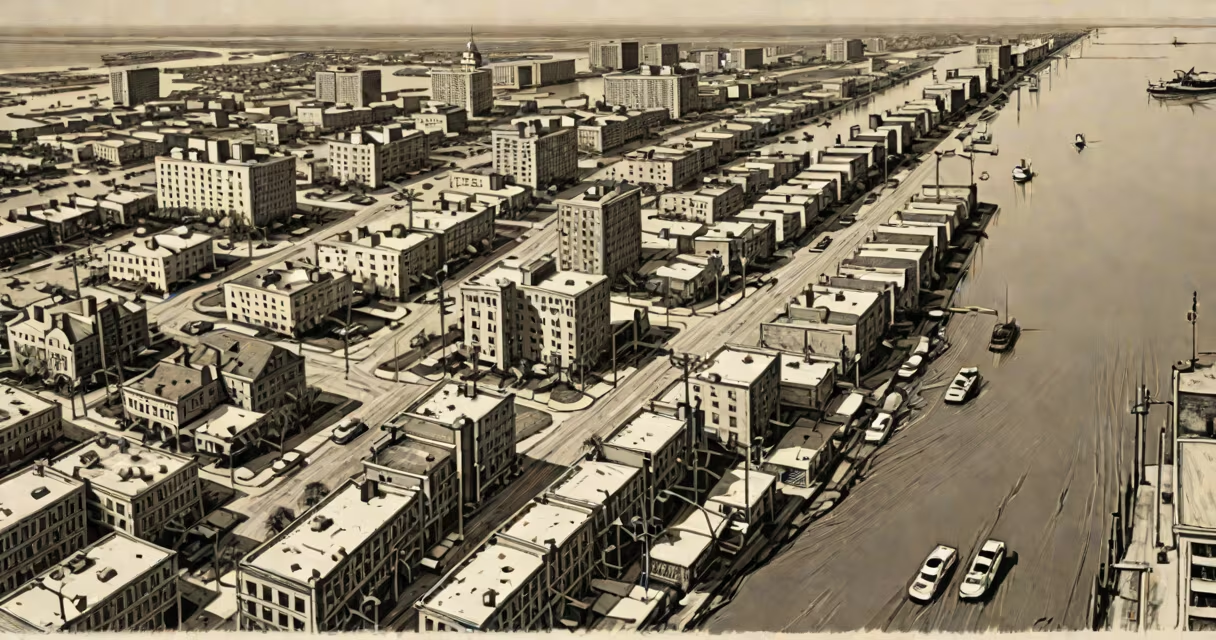
Atlantic City storm damage refers to the destruction caused by hurricanes, nor'easters, and tropical storms along New Jersey's coast, including flooding, wind damage, and infrastructure harm. The city's low elevation and coastal location make it particularly vulnerable to storm surges and high winds.
Storms impact Atlantic City through multiple mechanisms. Hurricane-force winds can exceed 74 mph, tearing off roofs and breaking windows. Storm surges-rises in sea level during storms-can inundate low-lying areas. Heavy rainfall overwhelms drainage systems, leading to flash floods. The combination of these factors makes storms especially destructive in coastal cities like Atlantic City.
For example, Hurricane Sandy in 2012 caused $30 billion in damage across New Jersey, with Atlantic City experiencing severe flooding and structural damage. The storm surge reached nearly 9 feet in some areas, submerging streets and damaging boardwalk businesses.
| Type of Damage | Description | Example |
|---|---|---|
| Flooding | Water inundation from storm surges and heavy rain | Hurricane Sandy submerged entire blocks |
| Wind Damage | Structural harm from high winds | Roofs torn off buildings during Hurricane Irene |
| Infrastructure Damage | Destruction of roads, utilities, and public spaces | Boardwalk damage from nor'easters |
Atlantic City employs several strategies to mitigate storm damage. These include elevating structures, reinforcing the boardwalk, and improving drainage systems. The city also participates in federal programs like the National Flood Insurance Program to help residents recover from storm damage.
One effective measure is the construction of dunes and seawalls. These barriers absorb wave energy and reduce storm surge impacts. For instance, after Hurricane Sandy, Atlantic City invested in beach replenishment projects to restore natural protections.
Many people assume that only hurricanes cause significant storm damage in Atlantic City. However, nor'easters-useful coastal storms-can also inflict substantial harm. These storms bring heavy rain, high winds, and flooding, sometimes exceeding hurricane damage in certain years.
Another misconception is that storm damage only affects the immediate coastline. In reality, flooding can extend inland, impacting neighborhoods far from the shore. During Hurricane Ida in 2021, heavy rainfall caused severe flooding in parts of Atlantic City not typically prone to storm damage.
I witnessed the aftermath of a nor'easter in Atlantic City firsthand. The storm had flooded streets and damaged storefronts, even though it wasn't classified as a hurricane. This experience highlighted the importance of preparedness for all types of storms, not just hurricanes.
Atlantic City storm damage results from hurricanes, nor'easters, and tropical storms, causing flooding, wind destruction, and infrastructure harm. The city uses protective measures like dunes and improved drainage to mitigate risks. Understanding the various types of storm damage and their impacts is important for residents and visitors alike.