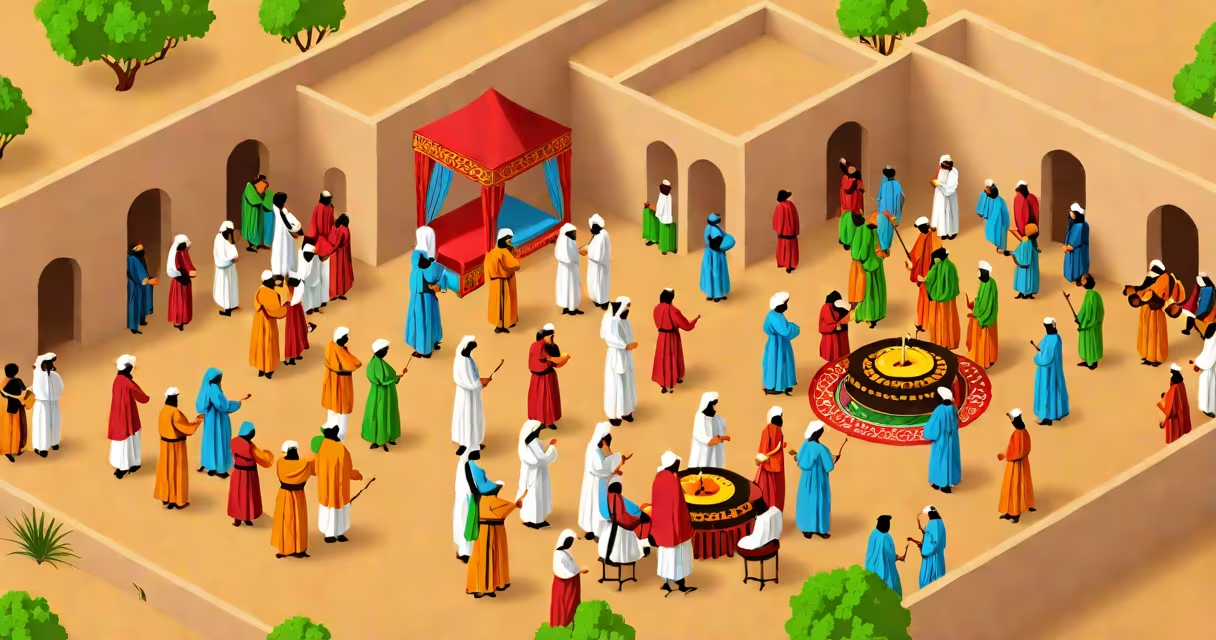
Bacha bazi is a controversial Afghan tradition where young boys, often called "dancing boys," perform dances at gatherings and may engage in sexual relationships with older men. The term translates to "boy play."
The practice is deeply rooted in Afghan culture and history, with origins tracing back centuries. It persists despite being officially banned and widely condemned. Bacha bazi involves boys, typically between the ages of 10 and 19, who are trained to sing, dance, and entertain men at social events.
Boys are often recruited from poor families or orphanages, with promises of money, education, or protection. They are trained in music, dance, and other performing arts. At gatherings, they perform traditional dances while men watch and sometimes offer them money or gifts.
The practice is not limited to any specific ethnic group or region in Afghanistan. It occurs in both rural and urban areas, though it is more prevalent in the southern and eastern parts of the country. The boys involved in bacha bazi are often stigmatized and face significant social challenges.
There are two primary forms of bacha bazi:
Bacha bazi is most common in Afghanistan, but similar practices have been reported in neighboring countries like Pakistan and Iran. The practice is often linked to poverty, lack of education, and weak law enforcement. Some men view it as a status symbol or a form of entertainment.
Despite being illegal, bacha bazi continues due to corruption, social acceptance, and the lack of alternative opportunities for boys from impoverished backgrounds. Many families see it as a way to earn money and provide for their children.
One common misconception is that bacha bazi is exclusively about sexual exploitation. While this is a significant aspect, the practice also includes non-sexual performances, such as dancing and singing at weddings and other celebrations.
Another misconception is that bacha bazi is a recent phenomenon. In reality, it has existed for centuries and was even documented during the time of the Mughal Empire. However, the practice has evolved over time, with a greater emphasis on sexual exploitation in modern times.
In 2007, a BBC report highlighted the case of a 14-year-old boy named Ali who was forced into bacha bazi. Ali's family was poor, and he was promised an education and a better life. Instead, he was trained to dance and entertain men at gatherings. He eventually escaped and sought help from a local NGO.
This case illustrates the cycle of poverty and exploitation that fuels bacha bazi. It also shows the importance of education and alternative opportunities for boys in vulnerable situations.