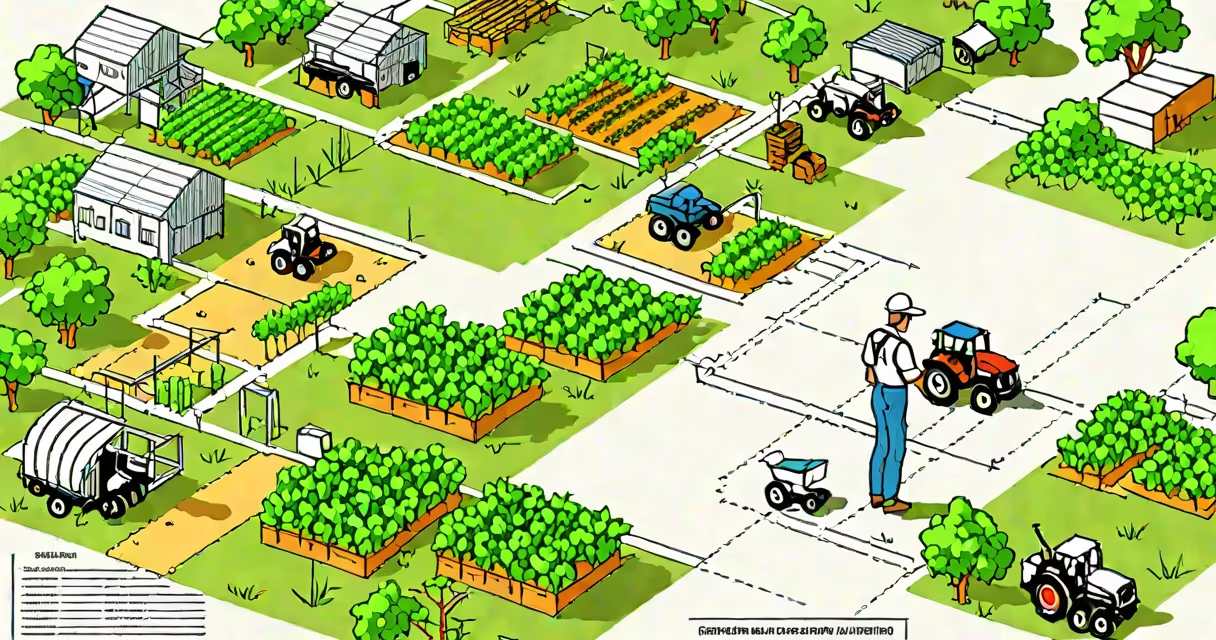
A bachelor of agriculture is a four-year undergraduate degree program focused on agricultural science, agribusiness, and environmental management. It combines classroom learning with practical fieldwork to prepare graduates for careers in farming, food production, and natural resource management.
The program typically includes coursework in soil science, plant and animal biology, agronomy, and agricultural economics. Students often participate in internships or cooperative education programs to gain real-world experience. Many universities partner with local farms, research institutions, and agribusinesses to provide hands-on training.
For example, Iowa State University's bachelor of agriculture program includes courses like "Principles of Agronomy" and "Animal Science," along with opportunities to work on campus farms. Graduates leave with both theoretical knowledge and practical skills, making them competitive in the job market.
| Focus Area | Example Courses | Career Paths |
|---|---|---|
| Crop Production | Plant Pathology, Soil Fertility, Precision Agriculture | Farm Manager, Agronomist, Crop Consultant |
| Animal Science | Livestock Management, Animal Nutrition, Dairy Science | Livestock Producer, Veterinary Technician, Feed Formulator |
| Agribusiness | Agricultural Economics, Supply Chain Management, Farm Finance | Agribusiness Manager, Farm Credit Analyst, Sales Representative |
| Environmental Science | Water Resource Management, Sustainable Agriculture, Environmental Policy | Conservation Specialist, Environmental Consultant, Sustainability Coordinator |
Many people assume a bachelor of agriculture is only for those who want to be farmers. While farming is a common career path, the degree also opens doors to roles in agribusiness, environmental consulting, and food science. For instance, graduates might work in agricultural technology companies developing precision farming tools or in government agencies regulating food safety.
Another misconception is that the degree lacks scientific rigor. In reality, programs often require advanced coursework in biology, chemistry, and data analysis. According to the U.S. Department of Agriculture, graduates with this degree are well-prepared for roles in research and development, where they contribute to innovations in sustainable farming practices.
The global population is growing, and demand for efficient, sustainable food production is rising. A bachelor of agriculture equips students with the skills to address these challenges. The degree also offers flexibility, allowing students to specialize in areas like organic farming, biotechnology, or agricultural policy.
For example, the University of Florida's bachelor of agriculture program includes a track in "Sustainable Food Systems," which covers topics like urban farming and food security. Graduates from this program have gone on to work with organizations like the World Food Programme, addressing hunger on a global scale.
I once visited a university farm where students were experimenting with vertical farming techniques to maximize crop yield in limited spaces. This hands-on approach is typical of many programs, blending innovation with traditional agricultural practices.
A bachelor of agriculture is a versatile degree that prepares graduates for diverse careers in farming, agribusiness, and environmental management. With a focus on both theory and practice, the program equips students with the skills needed to innovate in an ever-changing industry.