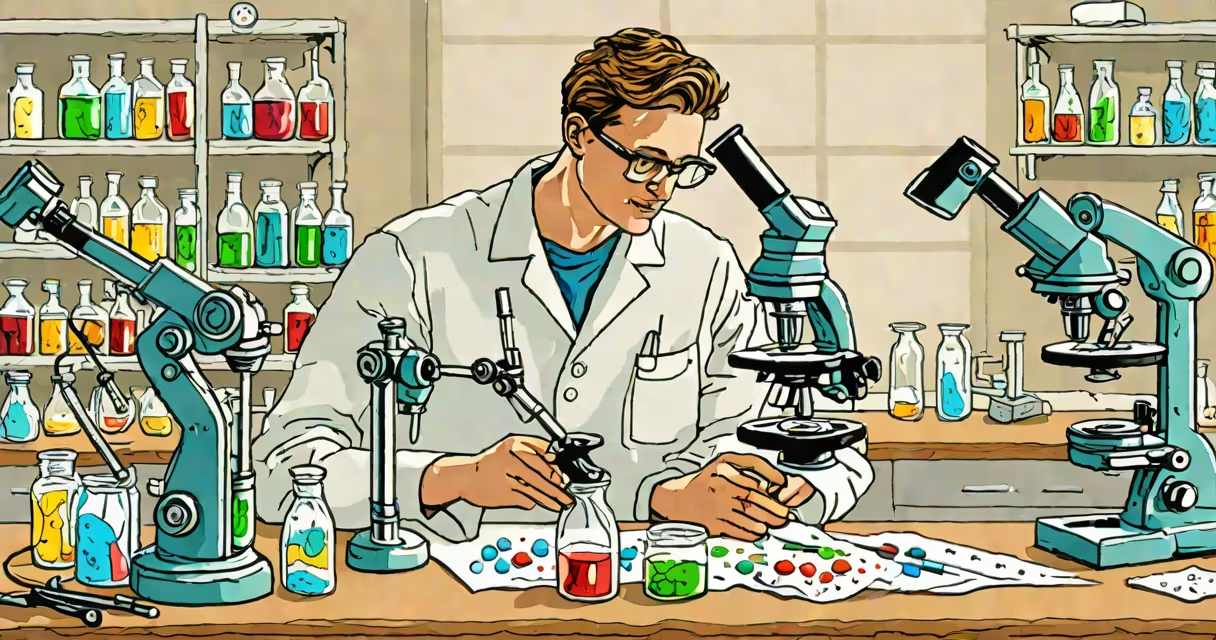
A bachelor of science in genetics is an undergraduate degree program focused on studying genes, DNA, and heredity through coursework in molecular biology, biochemistry, and statistics. Graduates work in labs, hospitals, or research institutions.
The typical four-year program combines classroom instruction with laboratory work. Students take core courses in genetics, cell biology, and biochemistry, along with electives in specialized areas like population genetics or genetic counseling. Many programs require an undergraduate research project or thesis.
For example, at the University of California, Berkeley, students complete a two-semester lab sequence where they design and execute their own experiments, analyzing data using bioinformatics tools. This hands-on experience is important for careers in genetic research.
| Core Courses | Electives |
|---|---|
| Principles of Genetics | Genetic Counseling |
| Molecular Biology | Bioinformatics |
| Biochemistry | Population Genetics |
| Cell Biology | Genomics |
Genetics graduates work in diverse fields, including medical research, agriculture, and forensic science. Hospitals hire geneticists to analyze patient DNA for disease risk, while biotech companies develop new treatments for genetic disorders. The U.S. Bureau of Labor Statistics projects a 7% growth in biological sciences jobs.
One common misconception is that a genetics degree only leads to lab work. In reality, graduates also pursue careers in education, patent law, and science writing. For instance, some work as science communicators, translating complex genetic research into accessible articles for the public.
Graduates enter various roles, including research assistants, genetic counselors, and biotech technicians. Some pursue advanced degrees, such as a Ph.D. in molecular biology or an M.D. for medical school. Others work in government agencies like the Centers for Disease Control and Prevention (CDC), tracking genetic diseases.
I once interviewed a geneticist who worked on CRISPR gene-editing technology. She emphasized that her undergraduate research experience was critical for securing internships in top labs. Her career path highlights how hands-on learning in a bachelor's program can lead to new work in genetic science.
A bachelor of science in genetics provides a strong foundation for careers in DNA research, medical diagnostics, and biotechnology. With growing demand for genetic expertise, graduates have diverse opportunities in academia, industry, and healthcare.